
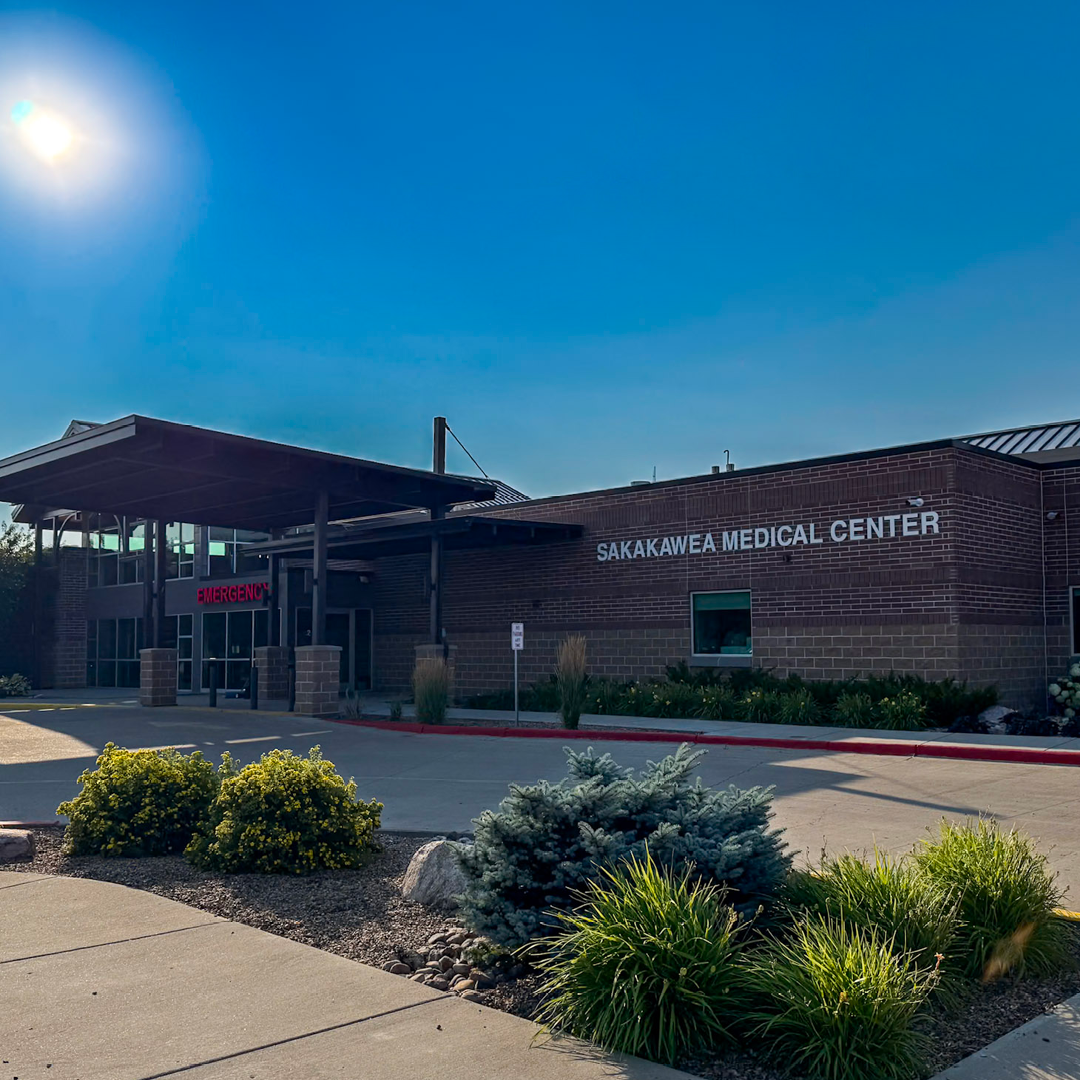
For many North Dakotans, access to healthcare looks different than it does in larger cities. Rural providers often serve as emergency departments, primary care clinics, specialty referral coordinators and community partners, all while working with limited staff and resources. These are some of the challenges North Dakota's Rural Health Transformation Program (RHTP) aims to address by helping rural communities strengthen local healthcare and expand access to services closer to home.
"We wear several hats out in rural," said Kurt Waldbillig, CEO of Sakakawea Medical Center in Hazen, ND. "Everything that we're trying to do is to take care of the communities that we serve."
For Waldbillig and his team, that means looking for ways to bring more care to the people they serve rather than asking patients to travel elsewhere.
At Sakakawea Medical Center, that work was already underway before RHTP funding became available. The hospital has relied on a mobile MRI available two days a week and recently began construction to bring permanent MRI capabilities to the medical center, giving patients greater access to imaging when they need it.
The medical center is also preparing to offer chemotherapy locally for the first time.
"It's close to my heart. I think it would be a great service," Waldbillig said.
For patients, expanding these services can mean fewer trips out of town and more opportunities to receive care close to home. They also illustrate the kinds of investments rural healthcare providers across North Dakota are making and the types of needs RHTP can help communities address.
Through RHTP, North Dakota Health and Human Services is partnering with rural communities to strengthen local healthcare and improve access to services closer to home. The program supports innovative projects that help communities meet local needs, whether that's expanding technology, improving care coordination or adding services that previously required patients to travel long distances.
These are the kinds of innovations North Dakota recently had the opportunity to showcase to representatives from the Centers for Medicare & Medicaid Services (CMS). During their visit to North Dakota, CMS met with providers and partners to learn more about the unique realities of delivering healthcare in rural communities and how the Rural Health Transformation Program is helping address those challenges.
"If there's a way that we can harness funds to be able to get specialty services here locally, to be able to get technology here locally, to keep individuals, that helps us be sustainable in the future," Waldbillig said.
For rural communities, success isn't measured only by new equipment or expanded services. It's measured by whether people can stay in their hometowns to receive quality care, whether providers can continue serving their neighbors and whether communities remain strong and healthy for generations to come.
"Local people have got to be able to say, 'I want to go there. They provide great care. I want to stay,'" Waldbillig said.
Because when people can get the care they need close to home, the benefits extend beyond the hospital walls.
The Rural Health Transformation Program is supported by the Centers for Medicare and Medicaid Services (CMS) of the U.S. Department of Health and Human Services as part of a financial assistance award totaling $198,936,969.55, with 100% funded by CMS. The contents are those of North Dakota Health and Human Services and do not necessarily represent the official views of, nor an endorsement by, CMS, the U.S. Department of Health and Human Services or the U.S. government.