
Understanding the cultural backgrounds of the communities arriving in North Dakota is essential for providing respectful, informed and effective support. This page brings together a collection of cultural spotlights designed to help service providers, partners and community members deepen their knowledge of refugee populations resettling in the United States.
You'll find two types of resources here:
- Switchboard cultural backgrounders, which offer nationally developed, research-based overviews of refugee populations.
- Cultural spotlights written by North Dakota Health and Human Services Office of Refugee Services team members highlight insights, lived experiences and practical considerations specific to our work in North Dakota.
Together, these resources support stronger cultural awareness, more meaningful engagement and better outcomes for the individuals and families we serve.
Geography and background
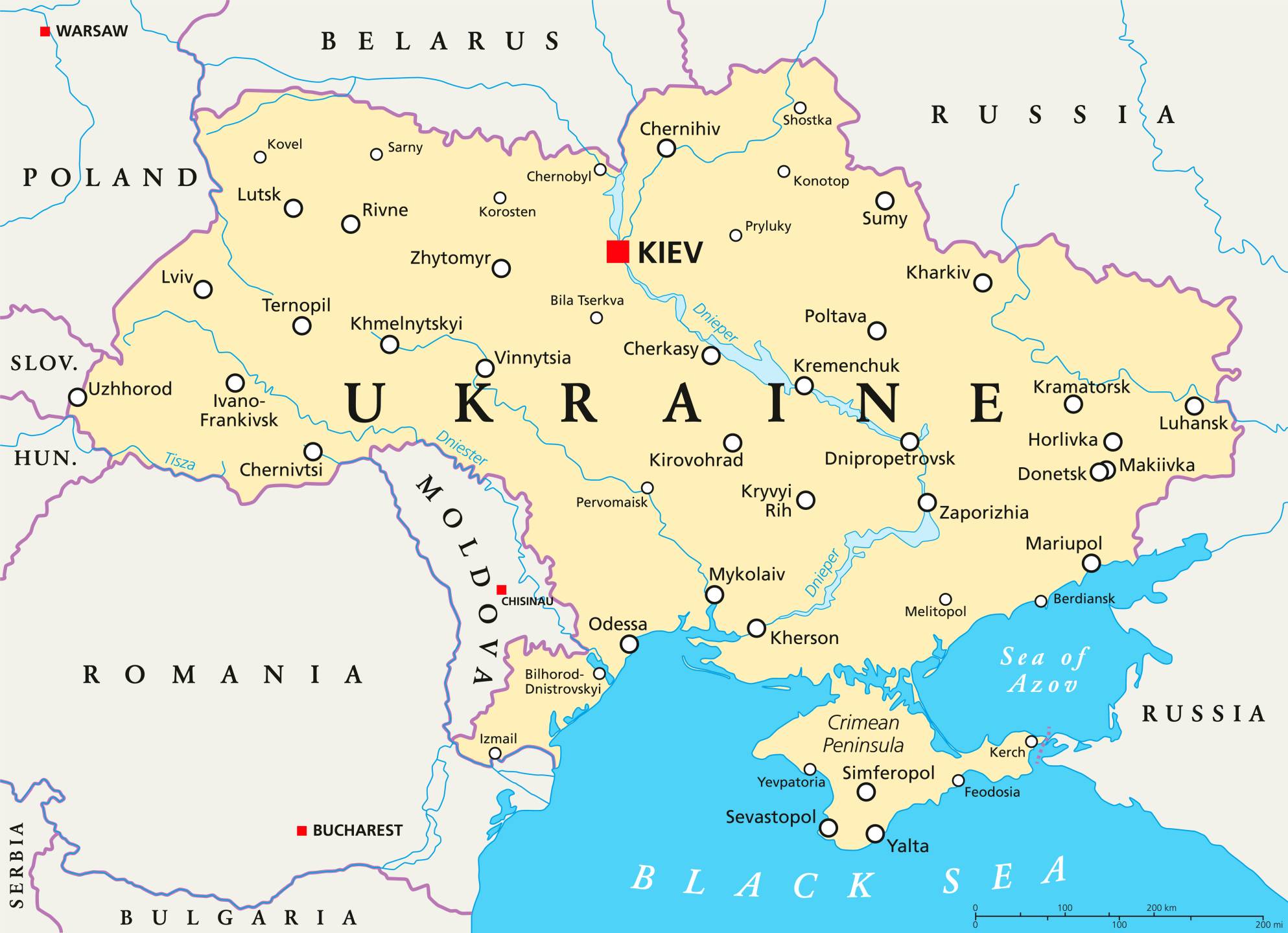
Ukraine, the second-largest country in Europe, is in Eastern Europe. It is bordered by Belarus to the north, Hungary, Slovakia and Poland to the west, Romania and Moldova to the southwest and Russia to the northeast and east. To the south, it is bordered by the Black Sea and the Sea of Azov. Ukraine’s landscape includes vast plains, fertile plateaus and mountain ranges like the Carpathians in the west and the Crimean Mountains in the south. Ukraine’s rich history includes periods of rule by various empires and states, such as the Polish Lithuanian Commonwealth, the Austrian Empire, the Ottoman Empire and the Soviet Union. Ukraine declared independence from the Soviet Union on Aug. 24, 1991.
Culture, family, religious beliefs, traditions, education and values
Ukrainian culture is deeply rooted in its history and traditions. Family is a central aspect of Ukrainian life, with a strong emphasis on respect for elders and close-knit family bonds. Most Ukrainians identify as Christians, with Eastern Orthodox Christianity being the largest denomination. Other Christian denominations, including Roman Catholicism, Greek Catholicism and Protestantism are also present.
Traditional Ukrainian customs include folk art, embroidery and music. Festivals and celebrations, such as Ivan Kupala Day and Malanka, are integral to Ukrainian culture. Music and dance, particularly the Hopak dance, play a significant role in cultural expression. Embroidery, known as Vyshyvanka, is a cherished tradition seen in traditional clothing and decorative items. Ukrainians are very passionate about their foods and have many food and holiday traditions.
Ukrainians typically refer to each other by their last names. Husbands and wives have different versions of the same name—the wife's name is “feminized.” For example, Ivan Bystrov and Oksana Bystrova.
Ukraine has a well-established education system, with free and compulsory education for children aged six to 15. The primary education system is followed by secondary education, which includes general, vocational and specialized streams. High education institutions, such as Tara Shevchenko National University of Kyiv and Lviv Polytechnic National University, are renowned for their academic excellence. In general, Ukrainians complete five years of university education, which they call a master’s degree. However, this qualification may not always be equivalent to a U.S. master’s degree.
Education is highly valued in Ukrainian society, with a strong emphasis on academic success and intellectual pursuits.
Dates of significance
Ukraine, with its rich history and vibrant culture, observes several significant dates that reflect its national pride and historical milestones.
- Independence Day (Aug. 24): Celebrates the Declaration of Independence from the Soviet Union in 1991.
- New Year's Day (Jan. 1): The start of the new year, celebrated with various festivities.
- International Women's Day (March 8): A Day to honor and celebrate women's achievements.
- Labor Day (May 1): A public holiday to celebrate the contributions of workers.
- Victory Day (May 9): Commemorates the end of World War II and the victory over Nazi Germany.
- Constitution Day (June 28): Marks the adoption of the Ukrainian Constitution in 1996.
- Statehood Day (July 15): Celebrates the Christianization of Kievan Rus in 988.
- Defenders of Ukraine Day (Oct. 14): Honors the Ukrainian military and those who have defended the country.
- Christmas (Dec. 25): Celebrated by Christians to mark the birth of Jesus Christ
These are deeply ingrained in Ukrainian national identity and are observed with various ceremonies and public events, reflecting the nation's resilience and unity.
Economic and employment opportunities
Ukraine’s economy is diverse, with key sectors including agriculture, manufacturing and services. The country is a major producer of agricultural products, particularly winter wheat, maize and sunflower oil. The fertile soil, known as chernozem (black earth), is highly conducive to farming. The industrial sector is concentrated in the Donets Basin (Donbas), which is known for its heavy industry, including coal mining, metallurgy and machinery manufacturing. In recent years, Ukraine has been focusing on developing its technology and IT sectors.
Migration drivers
Several interrelated factors, including economic instability, political unrest and the ongoing conflict with Russia, drive migration from Ukraine. The annexation of Crimea by Russia in 2014 and the conflict in Eastern Ukraine have significantly impacted the lives of millions of Ukrainians, leading many to seek safety and better economic opportunities abroad.
Ukraine has faced economic challenges for many years, including high inflation, unemployment and a struggling economy. The country’s economic instability has been exacerbated by corruption and a lack of structural reforms. As a result, many Ukrainians, particularly young people and skilled workers have sought better job opportunities and high wages abroad. The allure of more stable economies in Western Europe and North America has driven a significant portion of the population to migrate in search of improved living conditions and financial security.
Political instability and governance issues have also contributed to migration from Ukraine. The country has experienced a series of political crises, including the Orange Revolution in 2004 and the Euromaidan protests in 2013-2014, which led to significant changes in government and policy direction. These political upheavals have created an environment of uncertainty and instability, prompting many Ukrainians to seek more stable and predictable environments abroad. However, due to past experiences with corruption in their country, some Ukrainians may exhibit a wariness towards government institutions. This cautious attitude often extends to financial institutions as well.
The ongoing conflict with Russia, which began with the annexation of Crimea in 2014 and escalated with the conflict in Eastern Ukraine, has displaced millions of people. The violence and insecurity in conflict-affected areas have forced many Ukrainians to flee their homes, seeking refuge and safety in other parts of Ukraine and abroad. Internally displaced persons (IDPs) have faced significant challenges in accessing housing, employment and social services, further driving migration.
Younger generations often migrate to Europe and North America in search of higher-paying jobs and better living conditions. Education and professional opportunities in countries such as Poland, Germany, Canada and the United States are particularly attractive to young Ukrainians.
Migration decisions are often influenced by social and familial factors. Many Ukrainians have relatives or friends who have already migrated, creating a network of support and facilitating the migration process. The presence of established migration communities in destination countries provides social and cultural support, making it easier for new migrants to adapt and integrate into their new environments. Ukrainians often form close-knit social groups based on family and religious affiliations. They may prefer to remain within these familiar circles rather than being introduced to other Ukrainians solely based on a shared language.
Health conditions and healthcare
Ukraine faces various health challenges, including high rates of cardiovascular diseases, cancer and respiratory illnesses. Factors such as lifestyle, environmental pollution and limited access to quality healthcare contribute to these issues. The healthcare system is undergoing reforms to improve access and quality of care, including efforts to decentralize the health care system still faces challenges, such as inadequate infrastructure and shortages of medical professionals.
Behavioral health
Mental health is a significant concern in Ukraine, with many individuals experiencing stress, anxiety and depression due to the ongoing conflict and economic hardships. The stigma surrounding mental health issues often prevents people from seeking help, highlighting the need for increased mental health support and services.
Healthcare access challenges for Ukrainians in America
- Language Barriers: Limited English proficiency can make it difficult for Ukrainians to navigate the health care system and communicate with providers. This can lead to misunderstandings, misdiagnoses, and inadequate treatment. To mitigate these challenges:
- Interpreter Services: Ensure that interpreter services are available and utilized during appointments. This helps to ensure accurate communication and understanding.
- Language Access Plans: Develop and implement language access plans within health care facilities to ensure that language services are systematically provided and accessible to all patients in need.
- Cultural Differences: Differences in health care practices and expectations can lead to challenges in receiving appropriate care. Cultural misunderstandings can affect the patient-provider relationship and the overall quality of care. To address these challenges:
- Cultural Competence Training: Provide ongoing cultural competence training for health care staff to enhance their understanding of Ukrainian cultural norms and health care practices.
- Patient-Centered Care: Adopt a patient-centered approach that respects and incorporates the cultural values and preferences of Ukrainian patients into their care plans.
- Appointment Practices: In many areas of Ukraine, scheduled appointments are not common practice. For instance, when seeking medical attention, individuals often stand in line and hope to be seen that day. This cultural difference can present challenges when adapting to the appointment-based systems prevalent in the United States.
Key cultural considerations for providing care to Ukrainians in America
- Language and Communication: Many Ukrainians may speak Ukrainian or Russian as their primary language. This can pose significant challenges in healthcare settings where English is the primary language. Ensuring effective communication is crucial for the delivery of quality care. To address this, healthcare providers should:
- Provide Interpreters: Employing professional interpreters or using interpretation services can help bridge the language gap. This ensures that patients fully understand their diagnoses, treatment plans and medication instructions.
- Bilingual Staff: Having bilingual healthcare staff who can communicate directly with Ukrainian-speaking patients can improve the patient experience and reduce misunderstandings.
- Translated Materials: Offering translated information materials, such as brochures, consent forms and instructions, in Ukrainian or Russian can help patients better understand their healthcare options and procedures.
- Cultural Sensitivity: Understanding and respecting Ukrainian cultural practices is crucial for building trust and providing effective care. Ukrainian culture strongly emphasizes family and family members often play a significant role in healthcare decisions. Healthcare providers should:
- Involve Family Members: Recognize the importance of family involvement in the patient’s care. Encourage family participation in discussions about treatment options and respect their input and decisions.
- Respect for Traditions: Be aware of and accommodate traditional practices and preferences whenever possible, such as dietary restrictions or specific health practices rooted in cultural beliefs.
- Religious Beliefs: Religion plays a significant role in the lives of many Ukrainians, influencing their values and health care decisions. Most Ukrainians are Christians, primarily Eastern Orthodox and their religious beliefs can impact their approach to medical care. Healthcare providers should:
- Acknowledge Religious Practices: Know important religious practices, holidays and dietary restrictions that may affect a patient’s healthcare needs. For example, some patients may observe fasting periods that could impact their nutrition or treatment schedules.
Provide Spiritual Support: Offer access to chaplaincy services or spiritual care providers who can provide comfort and support to patients and their families.
References
- About Ukraine. (n.d.). Retrieved from Ministry of Foreign Affairs of Ukraine: https://mfa.gov.ua/en/
- Economic Indicators. (2021). Retrieved from National Bank of Ukraine: https://www.state.gov/u-s-relations-with-ukraine/
- U.S. Relations with Ukraine. (2021). Retrieved from U.S. Department of State: https://www.state.gov/u-s-relations-with-ukraine/
- Ukraine: WHO Statistical Profile. (2020) Retrieved from World Health Organization: https://www.who.int.healthinfo/statistics/en/
- Ukrainian Culture: Dates of Significance. (n.d.). Retrieved from Special Broadcasting Service. Cultural Atlas: https://culturalatlas.sbs.com.au/ukrainian-culture/ukrainian-culture-dates-of-significance
- Ukraine Situation. (2021). Retrieved from United Nations High Commissioner for Refugees: https://www.unhcr.org/ukraine.html
- Migration in Ukraine: Facts and Figures. (2021). Retrieved from International Organization for Migration: https://iom.org.ua/en/migration-ukraine-facts-and-figures
- Ukraine Overview. (2021). Retrieved from The World Bank: https: www.worldbank.org.en/country/ukraine/overview
- Mental Health in Ukraine. (2021). Retrieved from United Nations Development Programme: https://undp.org/content/undp/en/home/
- Ukraine: Corruption Perceptions Index. (2021). Retrieved from Transparency International: https://transparency.org/en/cpi/2021
- Ukraine: Health System Reform. (2020). Retrieved from Human Rights Watch: https://hrw.org/news/2020/04/09/ukraine-health-system-reform
- EU-Ukraine Relations. (2021). Retrieved from European Commission: https://ec.europa.eu/neighbourhood-enlargement/
Geography and Background
The Democratic Republic of the Congo (DRC), formerly known as Zaire, occupies most of the Congo River Basin. The Democratic Republic of the Congo has a short 25-mile coastline along the Atlantic Ocean, making it one of the few Central African countries with direct access to the sea. As the second-largest country in Africa, after Algeria, the DRC is located directly on the equator, which influences the climate in significant ways. The central region experiences a hot and humid tropical climate with abundant rainfall year-round. In contrast, the southern highlands, located further from the equator, enjoy a cooler, drier climate due to higher elevation.
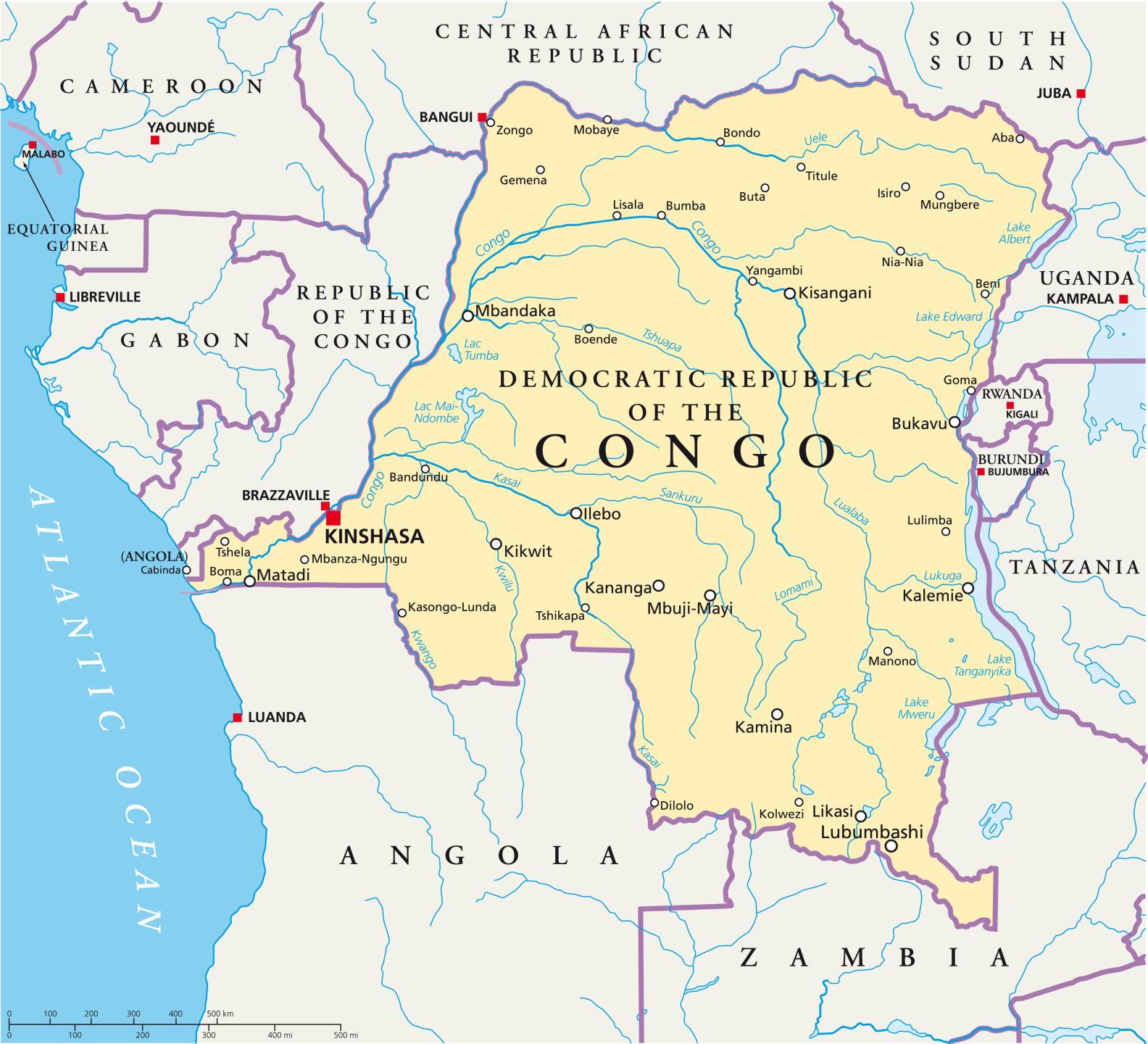
The country gained independence from Belgium in 1960 as the Republic of the Congo. In 1964, it became the Democratic Republic of the Congo, was renamed Zaire in 1971 under President Mobutu Sese Seko and returned to the Democratic Republic of the Congo in 1997.
The DRC has experienced two major wars: the First Congo War from 1996 to 1997 and the Second Congo War, also known as the “Great African War,” from 1998 to 2003.3 Despite peace agreements, armed groups continue to terrorize civilians. Ethnic conflicts, sexual violence, human rights violations, poverty and economic collapse continue to displace people and force them to seek refuge elsewhere.
Culture, family, religious beliefs, traditions and values and education
The DRC is one of the most ethnically diverse countries in the world, with more than 200 ethnic groups. It is estimated that 215 languages are spoken, with French as the official language. Other prevalent languages include Kikongo (or Kituba), Tshiluba, Lingala and Swahili, a Bantu language spoken mainly in eastern Equatorial Africa, among many others. Given the country’s linguistic diversity, many individuals are fluent in four or more languages.
With the country’s rich cultural diversity, manifested through various ethnic groups, traditions and beliefs play a significant role in Congolese identity. Music and dance go hand in hand, with Ndombolo among the most popular traditional dances in the DRC.
Family is the central focus of life in Congolese culture, with respect being one of the most deeply held values. Large extended families are common, often living under the same roof or in closely clustered homes. In some matrilineal communities, particularly among certain ethnic groups in western DRC, a maternal uncle may play an important leadership role within the family.
Women typically handle the majority of household chores and childcare, while men are expected to protect and provide for the family. Raising children is seen as a shared responsibility, with extended family members, especially during puberty, playing a significant role in guiding and supporting the younger generation. Physical forms of discipline may be more commonly accepted in some Congolese communities than in the United States. When resettling in the United States, Congolese parents should be aware of U.S. laws regarding child abuse.
In rural areas, which make up more than half the country, women are largely dependent on men; however, urban women, especially those with higher levels of education, tend to be more independent. Additionally, events since the mid-1990s have altered traditional roles, with women becoming wage earners and, in some cases, the primary income providers.
Marriage in Congolese society is highly valued and is often seen as a union of two families, not just two people. Arranged or semi-arranged marriages are especially common in rural areas. Congolese women tend to marry at a much younger age than is common (or lawful) in the United States.
Many communities practice bridewealth, in which the groom's family provides money or gifts to the bride’s family as part of the marriage process. The practice has been criticized for its potential to trap women in marriage, often requiring repayment of the bride price before they are allowed to leave. This is particularly concerning given that approximately half of women report experiencing physical violence, and nearly one-third report experiencing sexual violence, most often at the hands of an intimate partner.
Today, more than 90% of the population identifies as Christian, primarily Catholic or Protestant.9 Islam accounts for roughly 10%, while the rest follow other religions or indigenous beliefs. Many Congolese Christians and Muslims also incorporate elements of traditional African religions, such as ancestor veneration, traditional medicine and spirit worship, especially during illness, funerals and major life events. Religion remains a central part of life in the DRC, offering comfort, guidance and a sense of peace.
The education system includes one year of pre-primary education, six years of primary school and six years of secondary school. Primary education is free, but secondary schools charge tuition, which many families cannot afford.
Education faces numerous challenges, including inadequate funding, poor infrastructure, limited access and a lack of educational materials. Ongoing conflict further disrupts schooling, as many children are forced to flee their homes or are recruited as soldiers. Even when access to education is available, many parents choose to keep their children at home due to safety concerns.
Dates of significance
The country observes many globally recognized holidays, including Labor Day, New Year’s, Christmas and Easter. However, Christmas is observed as a more religious than commercial holiday and gift-giving is uncommon. Martyrs’ Day, celebrated on January 4, is a country-specific festival that commemorates those who died in the struggle for justice, as well as those who lost their lives due to human rights violations, including the millions of Congolese killed under the reign of King Leopold II. Other dates celebrated include National Liberation Day (May 17), Parents’ Day (August 1), Army Day (November 17) and National Heroes’ Day (January 17).
Economic and employment opportunities
The DRC is rich in natural resources, including minerals like cobalt, diamonds, silver, gold and copper, powerful rivers that support hydroelectric energy, fertile farmland, diverse wildlife and the world's second-largest rainforest. Despite this abundance, most Congolese people have not benefited from this wealth. The DRC remains among the five poorest countries in the world and in 2024, an estimated 73.5% of the population lived on less than $2.15 a day.
In the DRC, the economy is largely shaped by the informal sector, which provides the majority of employment and serves as a primary survival strategy for many households. A Congolese community leader described the informal economy using the commonly cited expression “Article 15,” meaning “survival mode,” and explained, “You wake every day; you don't know what your family will eat.” Most people work in small-scale, unregulated activities such as street vending, market trading, informal transport, fishing, subsistence farming and artisanal services, often without job security, legal protections or access to formal financial systems. Congolese women face additional barriers to economic opportunity and empowerment, including high rates of gender-based violence and discrimination.
Migration drivers
Since 2021, the DRC has been experiencing one of the longest crises in its history, with an alarming upsurge in violence carried out by armed groups, causing the deaths of civilians and triggering massive and repeated forced displacement of hundreds of thousands of people. Safety has substantially decreased, causing many humanitarian activities in these provinces to be suspended, endangering the Congolese population and increasing food insecurity.
Health conditions and healthcare
The DRC continues to face one of the most complex and ongoing humanitarian and health crises in the world. This situation is driven by a combination of connected factors, including armed conflict, mass displacement, food insecurity, disease outbreaks and natural disasters.
The humanitarian crisis has caused serious food shortages. In 2024, about 23.4 million people faced high levels of food insecurity. Conflict and displacement make the problem worse by limiting access to farmland and markets.
Public health in the DRC remains in a critical state, with frequent disease outbreaks such as cholera, measles, malaria, yellow fever and more recently, monkeypox. The health system is strained, making it difficult to control these outbreaks and provide basic care. Despite these challenges, steady progress has been made in reducing mortality from Human Immunodeficiency Virus and Tuberculosis, with rates declining each year since 2015.
The DRC continues to face the burden of several neglected tropical diseases that require large-scale treatment efforts. These include lymphatic filariasis, soil-transmitted helminths, schistosomiasis, trachoma and onchocerciasis.
Childhood vaccination coverage has been historically lower than national standards. In 2024, 82% of children received the first dose of the Diphtheria, Tetanus and Pertussis vaccine, but only 65% completed the full series. For measles, 55% received the first dose, with coverage dropping to 51% for the second dose (MCV2). The DRC accounted for 19.1%or 772,000 of the zero-dose children in West and Central Africa in 2024.
Behavioral health
The DRC faces severe mental health challenges due to decades of chronic crisis marked by conflict, widespread violence, displacement and deep poverty. This long-term instability exposes communities to ongoing trauma and contributes to high rates of anxiety, depression and Post-Traumatic Stress Disorder. Despite the significant need, most people receive no mental healthcare because of limited services, weak health infrastructure, low political prioritization and persistent stigma and human rights concerns. The COVID-19 pandemic has further strained an already fragile system. As a result, mental health remains one of the most neglected areas of public health in the DRC.
Mental health problems, particularly the psychological impacts of sexual violence, are highly stigmatized in the DRC. Survivors, especially women who have experienced rape, often face shame, family or spousal rejection and loss of social support. Additionally, many communities attribute mental illness to curses, witchcraft or spiritual causes, which leads families to seek help from traditional or religious healers rather than mental health professionals, limiting access to appropriate care.
Healthcare access challenges for Congolese in America
- Relaxed concept of time. Schedules in the DRC are relaxed and flexible. It’s common for people to arrive after the designated time or for services to be delayed. Make sure to confirm the appointment several times and give reminders for the appointment. It’s also crucial to explain that appointments are at the exact time.
- Health literacy and system navigation. Limited familiarity with the U.S. healthcare system (insurance, preventive care, primary care structure) can create confusion and missed care.
Key cultural considerations for providing care to the Congolese in America
- Take time to build rapport before jumping into questions or interventions. Ask about family or personal well-being as an entry point.
- Listen carefully to nonverbal cues or hesitations. Ask open-ended questions rather than yes/no questions to get accurate information.
- Cultural norms about modesty and gender roles may affect willingness to see certain providers. Make sure to ask if the client has a preference for seeing a male or female provider.
- Mental health problems may be linked to curses, witchcraft or shame; survivors of sexual violence may be rejected socially. Normalize mental health discussions, use trauma-informed approaches and anticipate reluctance to disclose symptoms. It’s important to find culturally appropriate ways to discuss stress and trauma.
References
- U.S. Department of State. (n.d.). Background note: The Republic of the Congo. U.S. Department of State. https://1997-2001.state.gov/background_notes/congo_0001_bgn.html#geo
- Payanzo, N., Cordell, D.D., Wiese, B.M., Lemarchand, R. (2025, March 7). Democratic Republic of the Congo. Encyclopedia Britannica. https://www.britannica.com/place/Democratic-Republic-of-the-Congo
- Wiese, B.M., Cordell, D.D., Payanzo, N., Lemarchand, R. (2025, March 10). Democratic Republic of the Congo. Encyclopedia Britannica. https://www.britannica.com/place/Democratic-Republic-of-the-Congo
- Sawe, E.S.(2019, July 18). Ethnic groups in the Democratic Republic of the Congo (Congo-Kinshasa). World Atlas. https://www.worldatlas.com/articles/ethnic-groups-in-the-democratic-republic-of-the-congo-congo-kinshasa.html
- Sen Nag, O. (2017, Aug. 1). What languages are spoken in the Democratic Republic of the Congo? World Atlas. https://www.worldatlas.com/articles/what-languages-are-spoken-in-the-democratic-republic-of-the-congo.html
- Ferdinand, B. (2021, Jan. 19). The Culture of the Democratic Republic of the Congo. World Atlas. https://www.worldatlas.com/articles/the-culture-of-the-democratic-republic-of-the-congo.html
- Encarta Interactive World Atlas. (n.d.). Customs of the Democratic Republic of the Congo. https://www.yeuanhvan.com/customs-habits/6044-customs-of-democratic-republic-of-the-congo
- Cultural Orientation Resource Center. (Jan. 2014). Refugees from the Democratic Republic of the Congo. Cultural Orientation Resource Center. http://www.culturalorientation.net/library/publications
- African Volunteer Network. (2024). Life in the Democratic Republic of Congo. https://african-volunteer.net/life_in_democratic_republic_of_congo.html
- Findlay, J. (2018, July 17) Religious Beliefs in the Democratic Republic of the Congo (Congo-Kinshasa) World Atlas. https://www.worldatlas.com/articles/religious-beliefs-in-the-democratic-republic-of-the-congo-congo-kinshasa.html
- Tshimanga, E. M., & Tshimanga, E. M. (2024, Dec. 28). Educational challenges in the Republic Democratic of Congo. Broken Chalk. https://brokenchalk.org/educational-challenges-in-the-republic-democratic-of-congo/
- World Bank. (n.d.). Democratic Republic of Congo overview. World Bank. https://www.worldbank.org/en/country/drc/overview
- CDEDR Congo. (2023, June 24). Le secteur informel en RDC : ce qu’on voit et ce qu’on ne voit pas. https://www.cdedrcongo.org/en/media/blog/-le-secteur-informel-en-rdc-ce-qu-on-voit-et-ce-qu-on-ne-voit-pas-
- Migrants & Refugees Section. (2022). Migration profile: Democratic Republic of the Congo. In Integral Human Development. Palazzo San Calisto. https://migrants-refugees.va/wp-content/uploads/2023/08/2023-CP-Democratic-Republic-of-Congo.pdf
- World Health Organization, Regional Office for Africa. (n.d.). Democratic Republic of the Congo. https://www.afro.who.int/fr/countries/democratic-republic-congo
- World Health Organization, Regional Office for Africa. (2023, August). Democratic Republic of Congo: Country Disease Outlook. https://www.afro.who.int/sites/default/files/2023-08/RDC.pdf
- UNICEF. (2025, July 15). Immunization country profiles. UNICEF Data. https://data.unicef.org/resources/immunization-country-profiles/
- Ngamaba, K.H., Lombo, L.S., Makopa, I.K. et al. (2023). Mental health outcomes, literacy and service provision in low- and middle-income settings: a systematic review of the Democratic Republic of the Congo. npj Mental Health Res 3, 9. https://doi.org/10.1038/s44184-023-00051-w
- Local culture in the Democratic Republic of the Congo | Expat Arrivals. (2023). Expantarrivals.com https://www.expatarrivals.com/africa/democratic-republic-congo/local-culture-democratic-republic-congo
- Globexgo. (2026, July 3). Democratic Republic of Congo Travel Guide: Cultural Etiquette Do’s and Don’ts. https://globexgo.com/blog/democratic-republic-of-congo-travel-guide-cultural-etiquette-dos-and-donts.html
Geography and background
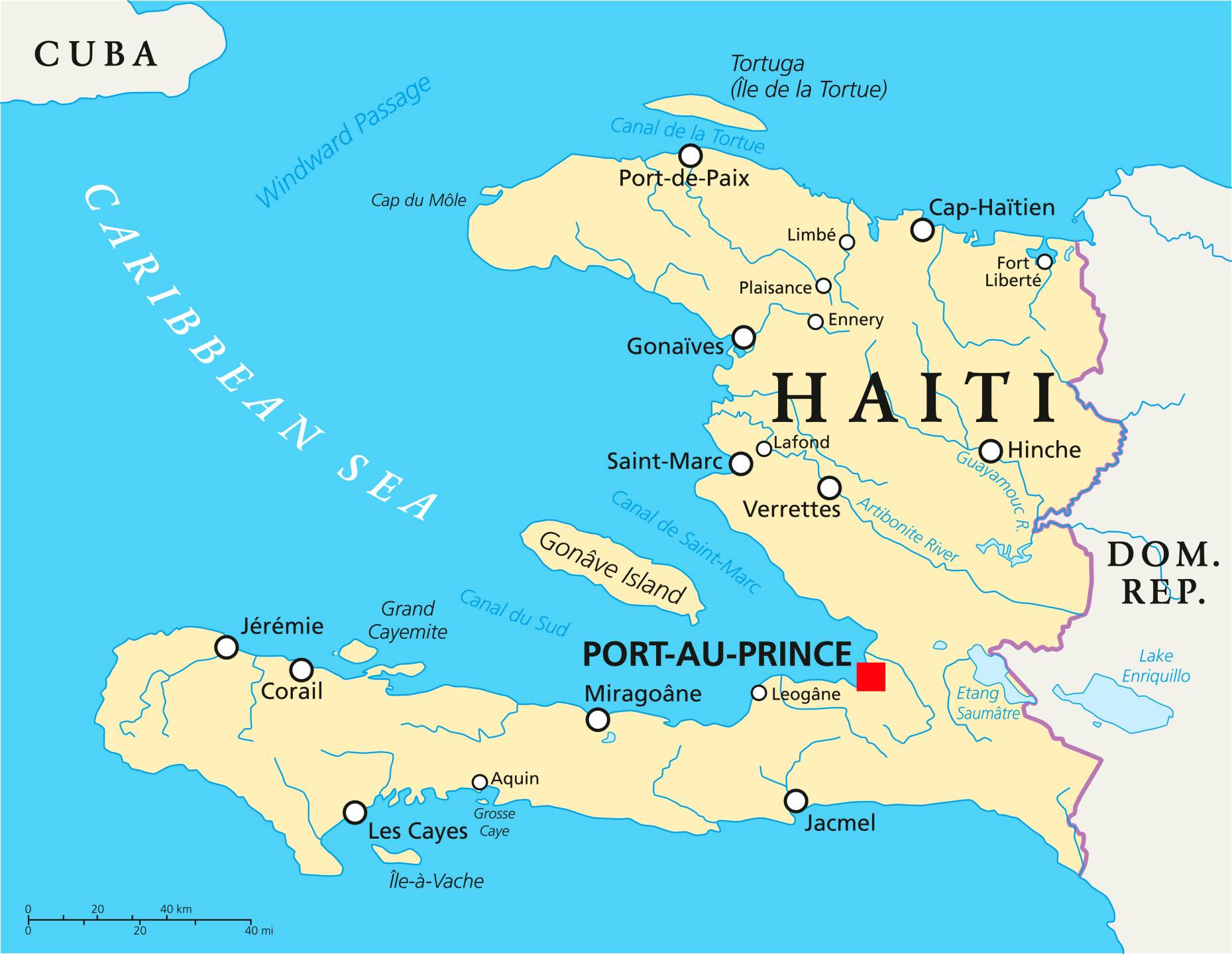
Haiti, home to approximately 11.8 million people, occupies one-third of the island of Hispaniola. To the east lies the Dominican Republic, while the Atlantic Ocean and the Caribbean Sea are to the north and south. Jamaica is located to the west and Cuba is situated to the northwest. Hayti means "land of the mountains” in the native Taíno language. The country is divided up into three regions including mountainous areas, coastal plains and numerous small islands.
In 1804, following a successful revolt against the French, Haiti emerged as the first independent nation in Latin America and the Caribbean and as the first Black-led republic globally.
Culture, family, religious beliefs, traditions and values and education
Family holds a central place in Haitian culture, and it’s common for extended families, often spanning multiple generations, to live together under one roof. In Haitian society, respecting elders is a key value, with younger family members expected to defer to their elders in decision-making and other important matters. Women in Haiti also play a crucial role in society. In addition to managing the household, they are also indispensable in economic actives such as street vending and supporting agricultural supply chains. Despite their important roles, women and girls endure many harsh inequalities and are impacted greatly by gender-based violence. According to a study by the Universal Periodic Review of Haiti, about 70% of Haitian women and girls survived a form of gender-based violence.
Traditional Haitian cuisine includes locally grown vegetables and fruits such as cabbage, plantains, mango, guava and pineapple and starches such as beans, corn and rice. Many dishes include flavorful meats such as pork, chicken, fish or beef. Popular dishes are “Griot” (fried pork), “Diri ak djon djon” (rice with black mushrooms) and “Accra” (malanga fritters). However, foods such as meat and cheese are expensive and most people in Haiti cannot afford them.
Religiously, 54.7% of Haiti's population identifies as Roman Catholic, 28.5% as Protestant and 10.2% as non-religious. However, many Haitians also incorporate Vodou into their religious practices and traditions. Haitian Vodou is a spiritual tradition involving the use of herbs, supernatural beings and magical ceremonies to heal people and cure diseases.
Haitians are known for being expressive and openly displaying their emotions10. Greetings are extensive and skipping them is considered impolite. Additionally, Haitians are recognized for their hospitality and willingness to help strangers visiting their country.
In Haiti, more than 80% of schools are privately operated by communities, religious groups and non-governmental organizations. These private schools often charge tuition that most families cannot afford. Public schools often lack proper education tools, instructors and are very crowded. The language of instruction in most schools is French, even though the majority of Haitians speak Haitian Creole. The language barrier can make learning difficult for students, particularly in rural areas. In primary schools (ages 6-11), the enrollment rate stands at 57%, while only 20% of students of eligible age are enrolled in secondary schools (ages 12-18). Attendance is also inconsistent due to factors such as poverty, distance to schools and the need for children to contribute to household income. As of 2016, 83% of Haitian students aged 15-24 are literate; however, approximately 50% of adults remain illiterate.
Dates of significance
Haitians love to celebrate, and their festivals express their culture and history with colorful costumes, music and dance. A Haitian newcomer said, “November 1st is known as Fèt Gede (Festival of the Ancestors) or the Haitian Day of the Dead which is celebrated widely throughout Haiti. On this day people go to church to pray and honor the dead. For Haitians who practice Vodou, the day is filled with music, dancing and lots of celebration.” Another important celebration is Independence Day, celebrated on January 1st, Independence Day marks Haiti’s liberation from French colonial rule in 18049. Flag Day commemorates the creation of the Haitian flag and is marked with patriotic displays reflecting the pride and resilience of Haitian people. Rara is a traditional festival that takes place during the Lent season, characterized by street processions with music, dance and vibrant costumes.
Economic and employment opportunities
Haiti remains one of the poorest countries in the world and the poorest country in the Western hemisphere, with 78% of people living off $2 a day. Agriculture accounts for roughly two-thirds of the jobs in Haiti. Many farmers focus on growing subsistence crops such as cassava, plantains and bananas, corn, yams, sweet potatoes and rice rather than for sale or profit. Coffee and sugarcane have a long history in Haiti and are still the main cash crops today. Other cash crops in Haiti include mangoes, cacao, avocados and essential oil. Clothing factories also employ thousands of Haitians and produce apparel that are mainly exported to the United States, Canada and Mexico. When interviewing a Haitian newcomer about employment opportunities, he said, “We have universities, but for the moment many young people in Haiti do not go to universities, they prefer to go to a vocational school to learn a manual trade because you can spend five years or more at a university, and when you finish it is impossible for you to find a job.”
Migration drivers
Challenges such as poverty, natural disasters, political crises and insecurity have historically been key drivers of migration from Haiti. The massive earthquake in 2010 displaced 1.5 million people, and the already fragile economy declined by over 5% within the first year following the disaster.
Haiti has been without a leader since the assassination of President Jovenel Moïse on July 7, 2021, which led to no immediate successor taking control, leaving the government and country without strong leadership. This further deepened the country's instability and triggered a surge in gang violence. It is estimated that 80% of Haiti’s capital, Port-au-Prince, is now controlled by gangs. The political instability and growing violence have further worsened an already struggling economy where essential goods and services such as food, water and sanitation are scarce, causing another wave of migration.
Health conditions and healthcare
Although most violence occurs in Port-au-Prince, it has created a humanitarian crisis that affects the entire country. The capital serves as the primary port of entry for goods and services, resulting in significant shortages of food, water, sanitation and healthcare. Nearly half of the population (48%) in Haiti experiences high levels of acute food insecurity. Malnutrition is the leading cause of death among children under five, with one in four children suffering from chronic malnutrition. Even acute malnutrition can hinder children’s physical and cognitive development. Cholera continues to be a public health emergency, worsened by severe water shortages and deteriorating sanitation conditions.
The country continues to struggle with low childhood vaccination coverage; however, the United Nations Children’s Fund (UNICEF) reports a 10% increase from 2022 to 2023. Vaccines against Diphtheria, Tetanus and Pertussis (DTP) and Measles and Rubella (MR) have increased to 94% or higher and 75% of children under the age of one in some regions have received the Bacillus Calmette-Guérin (BCG) vaccine to protect against tuberculosis.
Haiti has one of the highest rates of tuberculosis (TB) in the region, driven by overcrowded living conditions and inadequate housing. In 2023, 15% of active TB cases were also living with Human Immunodeficiency Virus (HIV). Furthermore, Haiti accounted for over one-third (38%) of the region's new HIV cases, with children representing 17% of these infections. Other prevalent communicable diseases include human papillomavirus (HPV), dengue fever, malaria, chikungunya, intestinal parasites (such as Endolimax nana, Blastocystis hominis, Giardia intestinalis, Entamoeba coli, and Ascaris lumbricoides), lymphatic filariasis (LF), leptospirosis and hepatitis A and E.
Heart disease is the most common chronic health condition in Haiti, followed by hypertension, stroke, Type II diabetes, chronic respiratory diseases and cancer, with cervical cancer being the leading cause of cancer deaths. Maternal and infant mortality rates in Haiti are the highest of the Western Hemisphere, making maternal mortality one of the leading causes of death among adolescents and young people. Additionally, gender-based violence continues to rise in Haiti. Many of these health-related issues remain untreated due to limited access to healthcare services. Numerous Haitians are forced to travel long distances to seek care, and even then, they may be denied service due to their inability to pay. The healthcare system in the United States significantly differs from that in Haiti, making it essential to inform Haitian newcomers about how insurance works, how to navigate healthcare access and where to go or what number to call in case of an emergency.
Behavioral health
Many past and present circumstances contribute to this rising mental health crisis, including natural disasters, political instability, poverty, ongoing violence and forced migration. Depression, anxiety, post-traumatic stress disorder and suicidal ideation are the most prevalent mental health disorders among Haitian newcomers. They may be reluctant to seek services due to stigma. Some people may hold beliefs related to mental health or disability as being caused by karma, an imbalance of energy, problems in the spirit realm, witchcraft and more. In Haiti, many people fear that if they receive treatment for a mental health disorder, they will be labeled ‘fou’ or crazy. Once a person is labeled crazy, their cognitive abilities or judgment may never be trusted again. According to a Haitian newcomer, “People don’t typically talk about their mental health, even though many are stressed.”
It is important to continue educating Haitian individuals about behavioral wellness to help break the stigma. Many Haitians look to their spiritual leaders for guidance and may incorporate religious beliefs into their healing practices. Trauma in Haitian newcomers is multigenerational, and it is crucial to focus on both adults and children when supporting families in their healing process.
Healthcare access challenges for Haitians in America
- Concept of time. In Haiti, arriving late for appointments is not considered impolite and it is widely accepted that everyone and everything can wait. It’s crucial to emphasize the importance of being on time for medical appointments. Clients may need to be reminded of appointments.
- Mistrust and trouble understanding the American healthcare system. Many Haitians are hesitant to seek treatment due to corruption and lack of stability in their own country. This mistrust can lead to delays in seeking care, poor adherence to medical advice and reluctance to use available resources. Haiti also lacks sufficient healthcare resources, making it difficult to find medical treatment. Haitians may need additional help with making appointments and understanding when to seek medical help.
Key cultural considerations for providing care to Haitians in America
- Many Haitians are deeply religious and rely on spiritual healing along with formal medical treatment. Many incorporate traditional healing, herbal remedies, spiritual leaders and Vodou practitioners. It is very important to take this all into consideration when providing care.
- Family involvement is very importation when making decisions. Haitians also look to their elder relatives for answers when it comes to decision making. It is important to include any family members they may want present for appointments and decision making.
- Haitians may use indirect communication to avoid confrontation. It is very important to build a trusting relationship and establishing good rapport with the client, so they feel comfortable being open and honest about any care options you give them. Haitians typically turn to their peers for support before considering professional help. This is another reason why building a strong rapport is so critical for these clients.
References
- Scholaro. (n.d.). Education system in Haiti. Scholaro Database. Retrieved Aug. 29, 2024, from https://www.scholaro.com/db/Countries/Haiti/Education-System
- Dyenira. (2023, Jan. 10). The Haitian Vodou Religion: Origins and Practices. haitianlegacy.com. Retrieved Aug. 29, 2024, from https://haitianlegacy.com/religion/the-haitian-vodou-religion-origins-and-practices/
- Haiti Maps & Facts. (2023, June 19). WorldAtlas. Retrieved Aug. 29, 2024, from https://www.worldatlas.com/maps/haiti
- University of the People. (2021, May 17). Education in Haiti: An Overview. University of the People. Retrieved Aug. 29, 2024, from https://www.uopeople.edu/blog/education-in-haiti/
- Mercier, Coles (n.d.). Family Values and Beliefs in the Haitian Culture – Part 1. Notre Design. Retrieved Aug. 27, 2024, from Family Values and Beliefs in the Haitian Culture - Part 1 — Notre Designs
- HIAS. (n.d.). Cultural and gender-aware toolkit for Haitian refugees. HIAS. Retrieved Dec. 3, 2024, from https://hias.org/wp-content/uploads/HIAS-Cultural-and-Gender-Aware-Toolkit-Haitian.pdf
- Alama, A., Tamagnan, M., Malebranche, B., & Couzinet, J. (2024, May 10). TowardsInclusive Education and Learning Success: Embracing Creole in Haitian Schools. UNESCO International Bureau of Education. Retrieved Aug. 29, 2024, from https://www.ibe.unesco.org/en/articles/towards-inclusive-education-and-learning-success-embracing-creole-haitian-schools
- Haiti Open. (2020, Oct. 31). Haitian culture. Retrieved Oct. 22, 2024, from https://m.haitiopen.com/country/haitian-culture/
- Another Travel. (n.d.). Haiti culture. Another Travel. Retrieved Dec. 18, 2024, from https://www.anothertravel.com/caribbean/haiti/culture/
- Sen Nag, O. (2019, April 1). The Culture of Haiti. World Atlas. Retrieved Aug. 27, 2024, from https://www.worldatlas.com/articles/the-culture-of-haiti.html.
- Observatory of Economic Complexity. (2021). Haiti. Retrieved Aug. 30, 2024, from https://oec.world/en/profile/country/hti
- WE. (n.d.). Education in Haiti. WE. Retrieved Aug. 29, 2024, from https://www.we.org/en-US/our-work/we-villages/education-around-the-world/education-in-haiti
- University of the People. (2021, May 17). Education in Haiti: An Overview. University of the People. Retrieved Aug. 29, 2024, from https://www.uopeople.edu/blog/education-in-haiti/
- World Bank. (2024, April 24). Literacy Rate, Youth Total (% of People aged 15-24) - Haiti. Retrieved Oct. 22, 2024, from https://data.worldbank.org/indicator/SE.ADT.1524.LT.ZS? locations=HT
- Boatner, K. (2021, Sept. 3). Haiti. Geography. Retrieved Aug. 29, 2024, from https://kids.nationalgeographic.com/geography/countries/article/haiti
- Lawless, R. , MacLeod, . Murdo J. , Ferguson, . James A. and Girault, . Christian Antoine (2024, Aug. 27). Haiti. Encyclopedia Britannica. Retrieved Aug. 29, 2024, from https://www.britannica.com/place/Haiti
- Migration Policy Institute. (2023, Sept. 19). Haitians flee collapse as instability and gang violence surge. Retrieved on Oct. 7, 2024, from https://www.migrationpolicy.org/article/haitians-flee-collapse
- Beaubien, J. (2020, Jan. 12). A lost decade: Haiti still struggles to recover 10 years after massive earthquake. NPR. Retrieved on Oct. 8, 2024, from https://www.npr.org/2020/01/12/794298546/a-lost-decade-haiti-still-struggles-to-recover-10-years-after-massive-earthquake
- Pan American Health Organization. (n.d.). Haiti Humanitarian Crisis - Grade 3. Retrieved on Oct. 9, 2024, from https://www.paho.org/en/haiti-humanitarian-crisis-grade-3
- Pan American Health Organization. (2024, Oct. 4). Public health situation analysis: Haiti (4 Oct. 2024). Retrieved on Oct. 11, 2024. https://www.paho.org/en/documents/public-health-situation-analysis-haiti-4-octobre-2024
- Partners In Health. (2024, March 13). Treating malnutrition in Haiti amid widespread instability. Retrieved on Oct. 11, 2024, from https://www.pih.org/article/treating-malnutrition-haiti-amid-widespread-instability
- Albert, H. A. (2024, June 11). Haiti: Rising vaccination rates despite socio-political unrest. GAVI. Retrieved on Oct. 14, 2024, from https://www.gavi.org/vaccineswork/haiti-rising-vaccination-rates-despite-socio-political-unrest
- Pan American Health Organization. (2022, Sept. 16). Haiti country profile: Health in the Americas. Retrieved on Oct. 11, 2024, from https://hia.paho.org/en/countries-22/haiti-country-profile#situation
- Index Mundi. (2021, Sept. 18). Haiti major infectious diseases. Index Mundi Retrieved on Oct. 14, 2024, from https://www.indexmundi.com/haiti/major_infectious_diseases.html
- Michel, D., Raymond, L., Apply, A., St Louis, D. D., Balthazard-Accou, K., Millien, M. F., & Emmanuel, E. (2021). Contribution to the diagnostic study of intestinal parasitosis, Haiti. European Scientific Journal, ESJ, 17(17), 64. Retrieved on Oct. 16, 2024, from https://doi.org/10.19044/esj.2021.v17n17p64
- Centers for Disease Control and Prevention. (2023). Haiti: Travel health guide. In CDC yellow book 2024: Health information for international travel. Retrieved on Oct. 16, 2024, from https://wwwnc.cdc.gov/travel/yellowbook/2024/itineraries/haiti
- USAID. (2023, March 10). Access to maternal care in Haiti. U.S. Agency for International Development. Retrieved on Oct. 16, 2024 from https://www.usaid.gov/reports/access-maternal-care-haiti
- World Health Organization. (2010). WHO MSD MER 10.1.Retrieved on Oct. 16, 2024, from https://www.who.int/publications/i/item/WHO-MSD-MER-10.1
- Blanc, J., Carrenard, N. J., Auguste, E., Luma, S., Francois, L., Bigdeli, T., Jean-Louis, G., & Duthely, L. (2024). The transnational mental health burden of Haiti's alleged collapse: preliminary findings from The Haitian Well-Being Study. Frontiers in public health, 12, 1415650. Retrieved on Oct. 16, 2024, from https://doi.org/10.3389/fpubh.2024.1415650
- Culture Crossing. (n.d.). Basic etiquette in Haiti. Culture Crossing Guide. Retrieved Dec. 18, 2024, from https://guide.culturecrossing.net/basics_business_student_details.php?Id=7&CID=90
- KNNBS. (2023, May 27). Understanding Haitian cultural norms: An essential guide. KNNBS. Retrieved Dec. 18, 2024, from https://www.knbbs.com/understanding-haitian-cultural-norms-an-essential-guide/22
- Scholar, Aiden. (2023, June17). Unpacking Haitian cultural norms: A guide to understanding the unique traditions and customs. NaluG. Retrieved Dec. 18, 2024, from https://www.nalug.net/unpacking-haitian-cultural-norms-a-guide-to-understanding-the-unique-traditions-and-customs/
Geography and background
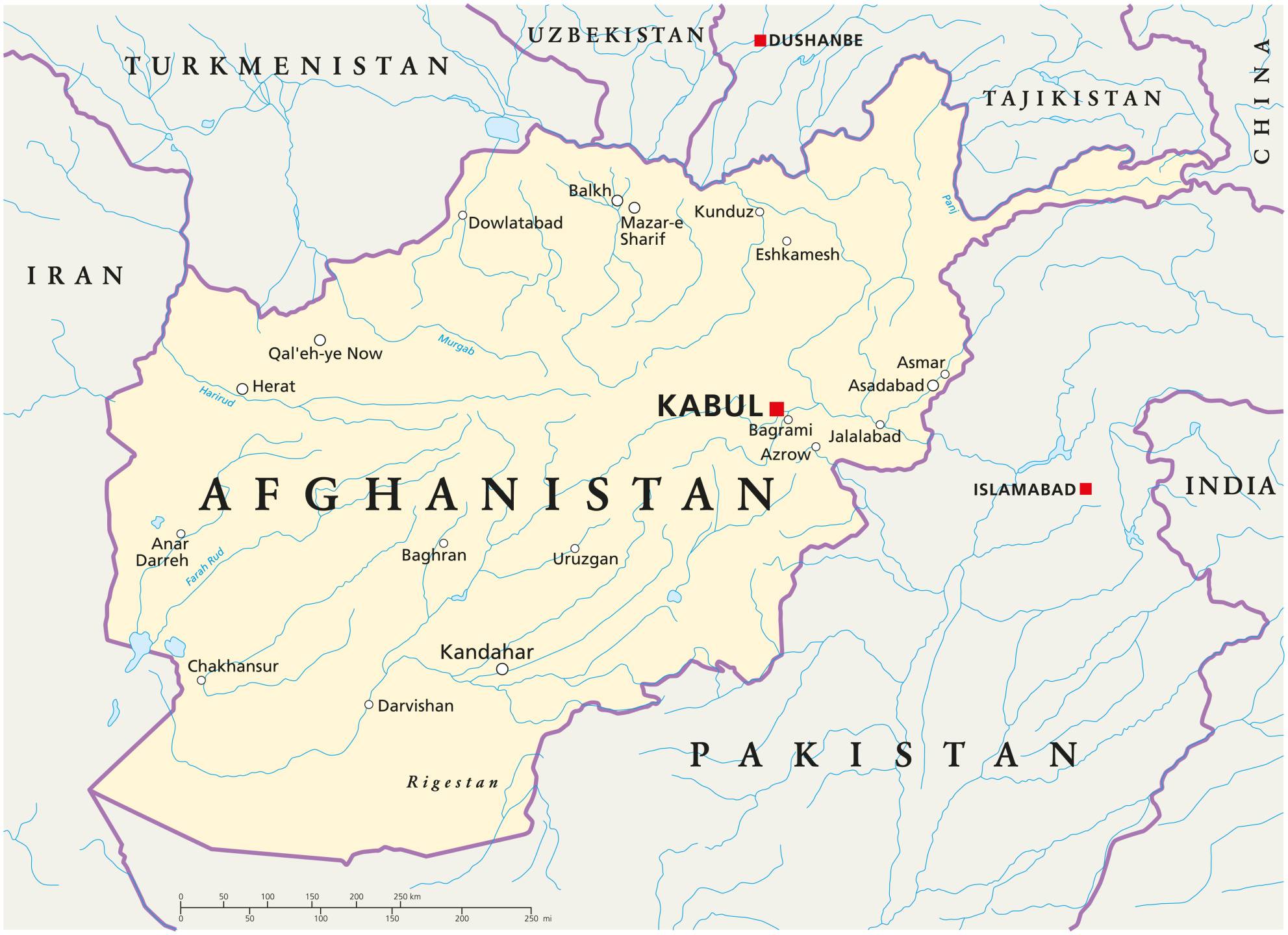
Afghanistan, home to approximately 40 million people, is a landlocked country in South-Central Asia. It shares borders with six nations: Pakistan to the east and south, Iran to the west and Turkmenistan, Uzbekistan, and Tajikistan to the north, as well as China to the northeast. Rugged mountains, arid plateaus and fertile river valleys dominate the country’s terrain. The Hindu Kush mountain range cuts through the center, with peaks reaching over 24,000 feet, while the Amu Darya River forms part of the northern boundary.
The name “Afghanistan” translates to “Land of the Afghans,” referring to the diverse ethnic groups that inhabit the region, including Pashtuns, Tajiks, Hazaras and Uzbeks. The country is divided into distinct regions shaped by geography and culture: the mountainous northeast, the desert south, the fertile west and the central highlands. Afghanistan’s history stretches back thousands of years, serving as a crossroads for empires and trade routes. It was part of the ancient Silk Road and has seen the rise and fall of rulers from Alexander the Great to Genghis Khan. In 1919, Afghanistan gained full independence from British influence, becoming one of the first nations in the region to assert sovereignty in the modern era.
Culture, family, religious beliefs, traditions and education
Family is the cornerstone of Afghan society, with extended families often living together in multigenerational households. Afghan culture is deeply collectivist, and loyalty to one's family takes precedence over individual needs. Elders hold significant authority, and their guidance is respected in decision-making and social matters. The family structure is traditionally patriarchal, with men serving as primary decision-makers and providers, while women manage domestic responsibilities and child-rearing.
Women in Afghanistan have historically played vital roles in both family and community life, though their public participation has been shaped by cultural norms and political shifts. In urban areas, women have increasingly accessed education and employment, but in many regions, they continue to face restrictions and gender-based inequalities. The Taliban’s resurgence has further impacted women’s rights, particularly in education and public life.
Afghan cuisine reflects the country’s agricultural heritage and regional diversity. Meals often center around bread (nān), rice pilaf, stewed vegetables and meats such as lamb, chicken or beef. Dishes like kabuli pulao (rice with raisins and carrots), mantu (meat dumplings) and ashak (leek-filled dumplings) are popular across the country. Food is typically shared communally, and hospitality is a deeply rooted value; guests are honored with generous servings and warm welcome.
Islam is the dominant religion in Afghanistan, with approximately 90% of the population practicing Sunni Islam and the remainder following Shia Islam or other faiths. Religious beliefs shape daily routines, social norms and gender roles. Practices such as prayer, fasting during Ramadan and modest dress are widely observed. Mosques serve as spiritual, educational and community centers, and religious leaders play influential roles in society.
Afghans are known for their expressive communication and strong sense of honor. Greetings are formal and respectful, often involving handshakes or placing a hand over the heart. Social interactions are guided by codes of conduct that emphasize modesty, respect, and hospitality.
Education in Afghanistan has faced significant challenges due to decades of conflict and political instability. While schools have reopened in many areas, access remains uneven, especially for girls. In rural regions, poverty, distance and cultural norms often hinder school attendance. The official languages of instruction are Dari and Pashto, though many students speak regional languages at home. Literacy rates vary widely, with urban areas showing higher enrollment and achievement than rural communities. As of recent estimates, literacy among youth is improving, but adult literacy remains low, particularly among women.
Economic and employment opportunities
Afghanistan faces significant economic challenges, with much of its population relying on agriculture and informal labor to survive. Roughly 40–60% of Afghans are employed in the agricultural sector, which contributes around 25% of the country’s GDP. Many rural families practice subsistence farming, growing wheat, maize, barley, rice and vegetables primarily for household consumption. Livestock such as sheep, goats and cattle also play a vital role in rural livelihoods.
Afghanistan’s cash crops include saffron, pomegranates, almonds, grapes and apricots, which are increasingly exported due to their high quality. Saffron, in particular, is gaining international recognition as a legal and profitable alternative to opium poppy cultivation. Despite these opportunities, farmers face challenges such as water scarcity, outdated infrastructure and limited access to markets.
Beyond agriculture, agribusiness and food processing are emerging sectors that offer employment in packaging, transport and retail. However, access to vocational training and education remains uneven. Women also contribute significantly to agriculture, often working in livestock care and small-scale farming, though their labor is frequently unpaid or informal.
Migration drivers
Afghanistan’s migration patterns have long been shaped by a combination of poverty, natural disasters, political instability and insecurity. Decades of conflict, including the Soviet invasion, civil wars and the U.S.-led intervention, have displaced millions. The Taliban’s return to power in August 2021 intensified instability, triggering widespread displacement and a surge in humanitarian needs.
Natural disasters such as earthquakes, droughts and floods have further strained livelihoods. In 2024 alone, severe flooding and prolonged droughts impacted food production and forced thousands to flee their homes. Afghanistan remains highly vulnerable to climate shocks, which have now surpassed conflict as the leading cause of displacement.
The country’s economic collapse, marked by high unemployment, inflation and reduced international aid, has pushed many Afghans to seek opportunities abroad. In 2025, nearly 23.7 million people required humanitarian assistance, with over six million Afghans displaced internally or across borders. Recent forced deportations from neighboring countries like Pakistan and Iran have added to the crisis. In early 2025, over one million Afghans were returned, many arriving in unfamiliar regions with no assets or support systems.
Health conditions and healthcare
Afghanistan’s humanitarian crisis has deeply impacted its healthcare system, leaving millions without access to essential services. Nearly 18 million Afghans require health assistance in 2025. Malnutrition is a leading cause of death among children under five, with 45% of children experiencing stunted growth due to chronic undernourishment. Afghanistan faces frequent outbreaks of communicable diseases, including measles, acute watery diarrhea, dengue fever, pertussis, Crimean Congo Hemorrhagic Fever and malaria. Tuberculosis remains a major concern, particularly in overcrowded urban areas. Maternal and infant mortality rates are among the highest in the world. Every two hours, a woman dies during childbirth in Afghanistan. Chronic conditions such as heart disease, hypertension, diabetes and respiratory illnesses are rising, yet remain largely untreated due to cost and limited infrastructure. Mental health needs are also growing, especially among displaced populations and survivors of trauma, but services are scarce.
Behavioral health
Afghanistan’s mental health crisis is shaped by decades of conflict, poverty, natural disasters and forced displacement. These cumulative stressors have created widespread psychological distress across generations. Common conditions include depression, anxiety, post-traumatic stress disorder and suicidal ideation. Many Afghans have experienced multiple traumatic events, such as violence, loss of loved ones and displacement, which can lead to complex trauma and chronic stress.
Stigma and cultural perceptions
Stigma remains one of the greatest barriers to care. Mental illness is often misunderstood and may be attributed to spiritual imbalance, punishment from God or moral weakness. A common fear is being labeled “deewana” (crazy), which can lead to social exclusion and mistrust of one’s judgment. As a result, individuals may hide symptoms or avoid seeking help altogether. Emotional distress is frequently expressed through physical symptoms (e.g., headaches, fatigue, stomach pain) rather than verbalizing feelings, which can complicate diagnosis and treatment.
Help-seeking behaviors
Instead of formal mental health services, many Afghans turn to religious leaders, family elders or faith-based practices for support. Spiritual healing, prayer and traditional remedies are often integrated into coping strategies. While these practices provide comfort and community support, they may delay access to professional care when needed.
Generational and acculturation stress
Generational trauma is significant. Children often absorb the stress of caregivers, while adults suppress emotions to maintain resilience. For Afghan newcomers in the U.S., acculturation stress adds another layer, navigating a new language, unfamiliar systems and cultural norms while coping with past trauma. This can lead to feelings of isolation, identity conflict and heightened anxiety.
Access barriers
Mental health professionals are scarce in Afghanistan and services are concentrated in urban areas. In rural communities, individuals rely on informal networks or avoid treatment altogether. For Afghan refugees and immigrants in the U.S., barriers include language differences, a lack of culturally competent providers and fear of stigma. Many are unfamiliar with concepts like therapy or counseling and may distrust mental health systems.
Best practices for support
- Normalize mental health care by framing it as part of overall wellness.
- Use trauma-informed approaches that prioritize safety, trust and empowerment.
- Offer culturally sensitive care by acknowledging spiritual beliefs and family involvement.
- Integrate mental health into primary care to reduce stigma and improve access.
- Provide interpretation services and translated materials to ensure understanding.
- Community-based education can help reduce stigma and encourage help-seeking.
Healing must include both adults and children, recognizing the intergenerational impact of trauma and the importance of restoring emotional safety.
Healthcare access challenges for Afghans in America
Afghan newcomers often face multiple, overlapping barriers when accessing healthcare in the United States. These challenges are rooted in cultural norms, systemic differences and the trauma of displacement.
Concept of Time and Scheduling
In Afghanistan, time is viewed more flexibly, and arriving late to appointments is not considered disrespectful. This cultural norm can lead to missed or delayed medical visits in the U.S., where punctuality is expected, and late arrivals may result in canceled appointments. Afghan clients may benefit from gentle reminders, clear explanations of scheduling expectations and assistance with transportation logistics to ensure timely attendance.
Mistrust and Unfamiliarity with the U.S. Healthcare System
Many Afghans come from regions where healthcare is underfunded, inconsistent or inaccessible. Experiences with corruption, gender-based restrictions, and lack of medical infrastructure can foster deep mistrust of formal systems. In the U.S., this may result in hesitation to seek care, difficulty navigating insurance and reluctance to disclose health concerns. Afghan newcomers often need extra support in understanding how to access services, when to seek help, and how to advocate for themselves within a complex system.
Language and Communication Barriers
Dari and Pashto are the primary languages spoken by Afghan newcomers and many have limited English proficiency. This can lead to misunderstandings about diagnoses, medication instructions or appointment procedures. Access to trained interpreters, translated materials and culturally responsive providers is essential for effective care.
Gender Norms and Cultural Expectations
In Afghan culture, modesty and gender roles may influence healthcare decisions. Some women may prefer female providers or may be uncomfortable discussing certain health issues with male clinicians. Restrictions on women’s autonomy in Afghanistan may also affect how they engage with care in the U.S. Providers should be aware of these dynamics and offer gender-sensitive options whenever possible.
Practical Strategies for Providers
- Offer clear explanations of appointment expectations and consequences of missed visits.
- Provide language access services, including interpreters and translated materials.
- Ensure gender-sensitive care options, such as female clinicians for women who request them.
- Integrate mental health education into routine care to reduce stigma.
- Use community health workers or cultural navigators to build trust and guide patients through the system.
Key Cultural Considerations for Providing Care
Providing effective healthcare to Afghan newcomers requires more than clinical expertise; it demands cultural understanding and sensitivity. Afghan patients often bring deeply rooted traditions, values and beliefs that influence how they perceive illness, make decisions and interact with providers.
Gender Norms and Cultural Expectations
In Afghan culture, modesty and gender roles may influence healthcare decisions. Illness may be attributed to divine will, spiritual imbalance or the “evil eye.” Many Afghans incorporate prayer, Quranic verses and traditional remedies alongside medical treatment. Providers should respect these practices and, when possible, integrate them into care plans. Asking open-ended questions like, “Are there any spiritual or traditional practices you would like us to consider?” can build trust and reduce resistance to treatment.
Family-Centered Decision Making
Afghan culture places a high value on family loyalty and hierarchy. Elders, especially male relatives, often make final decisions about healthcare. Patients may defer to family members during appointments, and women may prefer to have a trusted relative present. Including family in discussions and acknowledging their role can foster trust and improve compliance. For example, when discussing treatment options, providers might say, “Would you like your family to be part of this conversation?”.
Communication Style and Modesty
Afghans often use indirect communication to avoid confrontation or disrespect. Patients may nod or agree out of politeness, even if they do not fully understand or accept a recommendation. Providers should check for understanding by asking patients to repeat instructions in their own words. Modesty norms also influence interactions, especially across genders. Female patients may prefer female clinicians and may feel uncomfortable during physical exams with male providers. Offering gender-concordant care whenever possible is essential.
Privacy and Personal Honor
Preserving personal honor is deeply important in Afghan culture. Patients may be reluctant to disclose sensitive information, particularly about mental health, reproductive health or trauma. Creating a safe, private environment and using trauma-informed approaches can help patients feel comfortable sharing concerns. Providers should avoid rushing conversations and reassure patients that confidentiality will be maintained.
Dietary and Religious Practices
Food and religious observances are integral to Afghan identity. Many Afghans follow halal dietary laws and avoid pork and alcohol. During Ramadan, patients may fast from sunrise to sunset, which can affect medication schedules and treatment plans. Providers should ask about fasting and offer culturally appropriate alternatives, such as adjusting medication timing or providing halal meal options in hospitals.
References
- ShunCulture. (2024). Family and faith: Exploring the sacred bond in Afghanistan's cultural tapestry.
- Central Intelligence Agency. (2025). The world factbook: Afghanistan.
- Britannica. (2025). Afghanistan - Culture, traditions, customs.
- MexicoHistorico. (2024). Family traditions in Afghanistan: A cultural overview.
- Historyplex. (n.d.). The glorious culture, traditions, and customs of Afghanistan.
- DPMEA. (n.d.). Role of agriculture in economic growth of Afghanistan.
- World Bank. (2014). Afghanistan agricultural sector review.
- World Bank. (n.d.). Revitalizing agriculture for growth, jobs, and food security in Afghanistan.
- Greenaria. (2024). Role of agribusiness in rural development: Concentration in Afghanistan.
- UNHCR. (2024). Afghanistan refugee crisis explained.
- ACAPS. (2025). Explore Afghanistan’s political landscape & humanitarian crisis.
- Center for Disaster Philanthropy. (2024). Afghanistan humanitarian crisis.
- International Organization for Migration. (2024). Crisis in Afghanistan.
- OCHA. (2025). Afghanistan humanitarian update, April 2025.
- Human Rights Watch. (2024). “A Disaster for the Foreseeable Future”: Afghanistan’s Healthcare Crisis.
- UNICEF Afghanistan. (n.d.). Health Program Overview.
- BMJ. (2025). Afghanistan’s fragile health system faces catastrophe.
- WHO. (2024). Afghanistan Health Emergency Appeal.
- Schwartz, L., Lane, H., & Hassanpoor, Z. (2023). Overview and understanding of mental health and psychosocial support in Afghanistan.
- Alemi, Q., Panter-Brick, C., & Oriya, S. (2023). Afghan mental health and psychosocial well-being: Thematic review of four decades of research and interventions.
- Action Against Hunger. (2023). Treating Afghanistan’s invisible mental health crisis.
- Human Rights Watch. (2019). Afghanistan’s silent mental health crisis.
- FY24 Mental Health Resource Guide for Afghan Arrivals and Service Providers. (2024).
- Butler, S. M., & Sheriff, N. (2021). The challenge of addressing the health care needs of Afghan evacuees.
- Médecins Sans Frontières. (2023). Persistent barriers to accessing healthcare in Afghanistan.
- Chaplaincy Innovation Lab. (2021). Caring for Afghan Patients/Families: Practical Points for Hospital Staff.
- ACEP. (2021). Preparing to Care for Afghan Refugees.
- Minnesota Department of Health. (2024). Providing OB-GYN Care to Afghans in the U.S.
- Tour.af. (2024). Dos and Don’ts in Afghanistan: A Traveler’s Guide.
- Experience Afghanistan. (2024). Cultural Etiquette.
- Commisceo Global. (2024). Afghanistan - Language, Culture, Customs and Etiquette.
Geography & Background
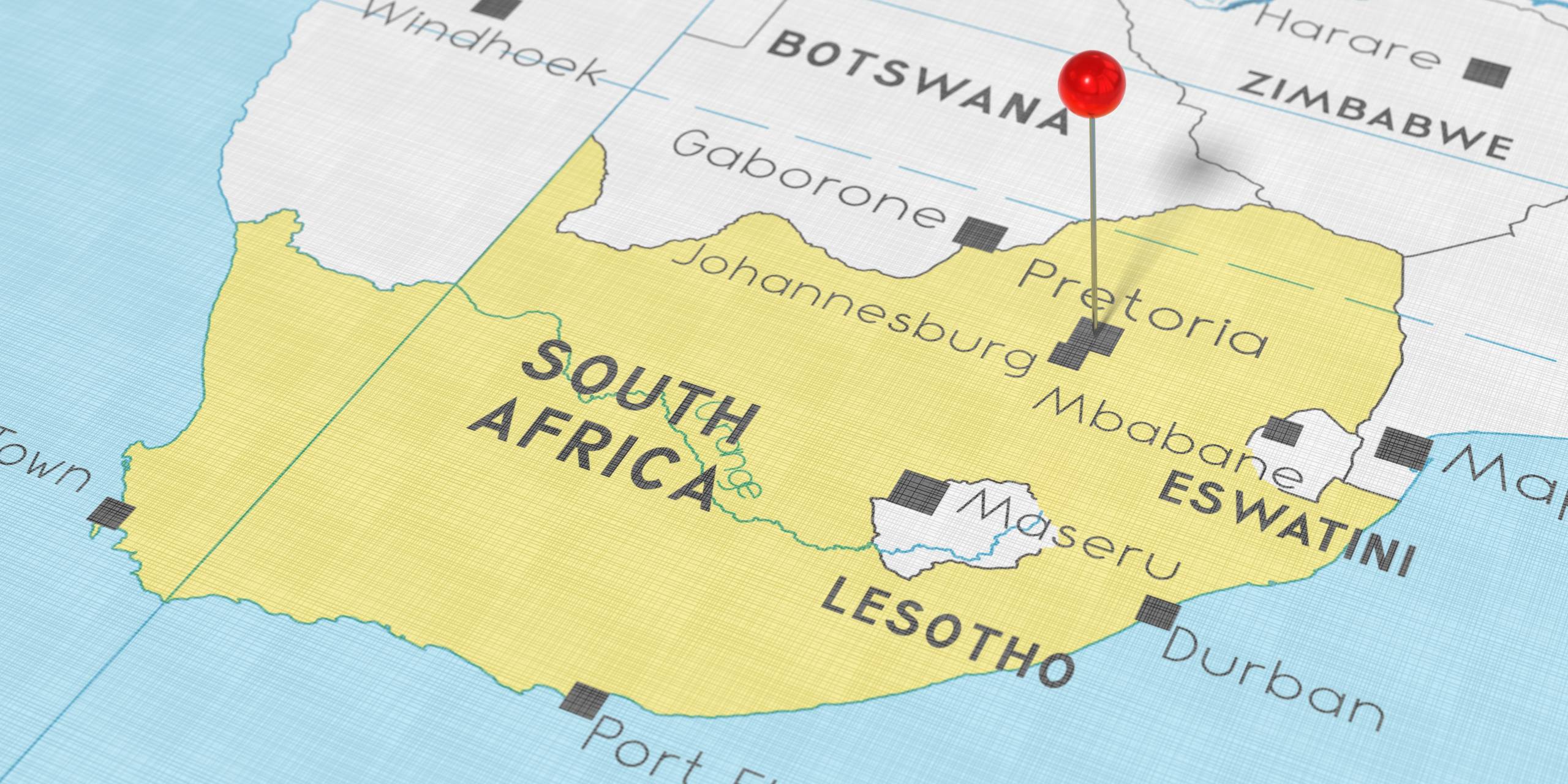
South Africa is located at the southernmost tip of the African continent and boasts a range of climate conditions throughout the country, from wet and humid on the east coast, to more arid on the western coast. It has a population of more than 64 million people, including approximately three million Afrikaners. Along its northern border sit Mozambique, Eswatini, Zimbabwe, Botswana and Namibia; the independent country of Lesotho, located in the eastern part of South Africa, is completely surrounded by South African territory. The Indian Ocean is to the east, and the Atlantic Ocean is to the west. The Indian Ocean is warm whereas the Atlantic Ocean is cold. The water temps influence the climate conditions on their respective coasts.
The country is home to nine distinct natural environments, known as biomes. These include grasslands, savannas, forests, deserts and coastal regions. The Savanna is the largest biome, covering about 34% of the country, and is home to animals such as African wild dogs, rhinos and elephants. Grasslands cover about 28% of the country and support thousands of plant species adapted to regular fires. South Africa’s diverse landscapes contribute to its rich plant and animal life.
The term Afrikaner refers to the descendants of the Boers, a South African population primarily descended from Dutch, German and Huguenot settlers who arrived in southern Africa during the mid-1600s. Over time, Afrikaners developed their own language, national identity, religion and history and developed a strong connection to the land. South Africa has a long history of racial discrimination, particularly between White and Black South Africans. From 1948 until 1994, the apartheid system, meaning “apartness” in Afrikaans, enforced racial segregation and gave political and economic power to the White minority. Apartheid formally ended with South Africa’s first democratic, non-racial elections in 1994, when Nelson Mandela became the country’s first democratic president. Although the end of apartheid established a constitutional democracy based on equality and human rights, racial inequality and tensions continue to affect South African society. The post-apartheid government has implemented policies intended to address the lasting effects of racial discrimination, while some White South Africans, including Afrikaners, have expressed concerns about discrimination and policies related to employment, land ownership and economic opportunity. Racial discrimination remains a complex and sensitive issue in South Africa today
Culture, Family, Religious Beliefs, Traditions and Values and Education
Afrikaners value family and community ties, and these traditions are ingrained in their history. They are resilient, hospitable and have a strong sense of community. When greeting, a firm handshake and eye contact are customary. They value honesty, and sometimes bluntness can be mistaken for rudenes.
Family structure is more traditional. Fathers are the breadwinners and mothers run the household, though this is shifting as more women enter the workforce. Extended families may live in the home as well, with grandparents, aunts and uncles and cousins sharing a residence when financial situations warrant it.
South Africa's religious landscape has evolved through successive periods of cultural exchange, migration and colonization. Christianity was introduced in the 17th century with Dutch colonization and expanded under British rule through Protestant and Catholic missionary efforts, eventually becoming the country's predominant religion. Islam was established through the arrival of enslaved people and political exiles from Southeast Asia during the Dutch colonial period. Hinduism was introduced in the 19th century with the arrival of Indian indentured laborers, while Judaism developed from the early 19th century through immigration from Europe, particularly following the 1820s.
Roughly 85% identify as Christian. Calvinism, particularly as practiced within the Dutch Reformed Church, has historically played a central role in shaping Afrikaner beliefs, values and cultural identity. While Christianity continues to hold significant influence within the Afrikaner community, generational shifts have contributed to a decline in traditional religious observance and a growing diversity of religious and secular perspectives.
Meals are generally eaten together. Traditional Afrikaner cuisine includes boerekos, or hearty farm-style food; potjiekos, a stew cooked slowly in a three-legged cast-iron pot; and braai, a traditional South African barbecue. Meats such as mutton, beef, chicken and pork are common, as are those from various wild game, although cuisine varies widely according to ethnicity.
According to an Afrikaner refugee interviewed for this culture profile, bread and other bakery items are typically purchased fresh. The interviewee shared that they were not accustomed to purchasing bread that was not freshly baked and have had to adjust to this difference since arriving in the United States. They also noted that cheese is more affordable in the United States, describing it as “very expensive in South Africa.”
Some familiar items, such as Rooibos tea, can be difficult to find in the United States. For other items, such as instant coffee, they have found substitutes, noting that “it’s not exactly the same, but it comes close.” The interviewee also described differences in foods such as sausage, grits, gravy and mayonnaise. For example, they explained that Bovril spread is commonly used on sandwiches in South Africa as an alternative to mayonnaise. Bovril is a “thick and salty meat extract paste” with a beef flavor and is similar to Vegemite and Marmite.
Art and music are also a large part of Afrikaners' lives. The Klein Karoo Nasionale Kunstefees is an Afrikaans arts festival, which is the country’s largest. It takes place over the span of a week and includes visual art and performing arts, such as dance, drama and music. The festival is centered around the Afrikaans language and Afrikaner culture.
The Afrikaans language is central to the Afrikaner identity. It’s an important part of their cultural heritage. It developed from multiple languages through contact with different communities. European settlers and enslaved Africans from other parts of the continent, as well as Indigenous Khoekhoen and Asian communities, made their mark on the language.
The school year in South Africa generally runs from January through November. Children typically begin the early childhood education years with pre-Reception and Reception, which are roughly comparable to preschool and kindergarten in the United States, beginning around age four. Primary education generally includes Grades R through 6, followed by the Senior Phase (Grades 7–9) and the Further Education and Training (FET) Phase (Grades 10–12).19 After completing Grade 12, students may receive what is commonly referred to as a matric certificate, which represents completion of secondary education. 19 Students may then pursue further education at a university, college or other post-school institution. According to an Afrikaner interviewee, Grades 9 through 12 are also commonly referred to as “high school.” Class sizes can be relatively large, with approximately 30–35 students per teacher, and school uniforms are generally required, according to the interviewee.
Public education in South Africa is not uniformly tuition-free. The government provides fee-free education at designated no-fee public schools, while other public schools may charge school fees. Private schools are also available and generally have higher tuition costs. According to an Afrikaner interviewee, private school tuition may cost approximately three to four times more than public education. The interviewee also reported that students with disabilities or other special educational needs may not always receive the level of additional support their families feel they need in public schools, leading some families who can afford it to choose private education.
Dates of Significance
The three major dates of significance celebrated by Afrikaners are Easter weekend (Good Friday through Easter Monday), Christmas Day and New Year’s Day.
Economic and Employment Opportunities
South Africa has a diverse economy supported by industries such as tourism and financial services, as well as its mining sector, which produces minerals critical to modern manufacturing, including platinum, chromium and manganese. They tend to be weakest in terms of high unemployment and low growth, which were compounded during the COVID-19 crisis. Job creation is poor as well.
Other challenges include a shortage of skilled labor. Gaps in the public education system contribute to a limited supply of workers with the technical and professional skills needed by employers. Companies also face difficulties obtaining visas for skilled foreign workers. Unemployment remains high, at approximately 33%, and is even higher when accounting for individuals who have stopped actively looking for work. Other factors contributing to South Africa’s economic challenges include corruption, government requirements related to hiring practices, high rates of violent crime, inadequate infrastructure and policy uncertainty, which can negatively affect economic growth and investment. The service sector accounts for the largest share of South Africa’s gross domestic product (GDP), at approximately 73%, followed by manufacturing (13.9%), mining and quarrying (8.3%) and agriculture (2.6%).
Migration Drivers
Many Afrikaners are leaving their country “to seek safety and flee prosecution” according to the interviewee, along with claims that the South African government is engaging in land seizures.
Other factors contributing to migration include high unemployment, the rising cost of living and concerns about crime and safety. One source notes that “inadequate policing in township neighborhoods [has] contributed to a pervasive culture of poverty and violence.” The interviewee also stated that many people are seeking a better life and “want a better future for their children with equal opportunities.”
Safety and crime are significant concerns for some South Africans. Carjackings and burglaries are not uncommon, and South Africa continues to experience high rates of gender-based violence, including rape. More recently, xenophobic attacks and violence targeting immigrants from other African countries have also been reported.
Health Conditions and Healthcare
The healthcare system in South Africa includes both public and private sectors. The public system is managed by the Department of Health and includes over 400 hospitals. Over 80% of South Africans rely on the public system for care. Even though costs in this system are subsidized by the government, patients often must pay for some of the cost, but these costs tend to be lower than in the private sector. The public healthcare system is generally inadequately funded and poorly managed. Large cities such as Johannesburg and Cape Town and public hospitals that are associated with the major universities, tend to provide better care. But because of the higher standard of care provided at these facilities, the wait times tend to be incredibly long.
Due to these issues, people will opt to receive healthcare in the private sector if they can afford it. In the private sector, people and employers can buy health coverage from various providers to cover the cost of medical services, but this comes at a great expense. The private sector offers higher quality of care, modern facilities and shorter wait times. Around 70% of physicians work solely in the private sector, leaving the public sector with only 30% of doctors.
Two of the major communicable diseases that affect health in South Africa are human immunodeficiency virus (HIV) and tuberculosis (TB). South Africa is disproportionately affected by HIV as they account for 0.7% of the world’s population yet constitutes 17% of the global HIV cases. Driven by the spread of HIV, South Africa has one of the world’s worst TB epidemics. The incidence of TB has steadily increased from 300 per 100,000 people in the early 1990s to more than 950 per 100,000 in 2012.
Non-communicable diseases impacting South Africa include cardiovascular disease, chronic respiratory disease, cancer and diabetes. Obesity, which often increases the risk of these diseases, impacts over 30% of the adult population. Also, nearly 25% of the population over fifteen years of age currently smoke tobacco products, which is an increase from recent years.
Understanding Afrikaner families’ previous experiences with healthcare and providing orientation to the U.S. healthcare system can help manage expectations, facilitate access to services and ensure appropriate support throughout the resettlement process.
Behavioral Health
The guidelines below are considered general responsivity. Person-centered considerations are best practice in treating each person individually. Cultural responsiveness provides a general framework for engagement; however, it does not replace individualized assessment. Consider culture alongside the person’s unique identity, strengths, needs, preferences and lived experiences.
Behavioral health and psychological well-being are also important considerations. Some Afrikaners who arrived in the United States have witnessed or experienced severe violence and other traumatic events. Estimates from South Africa suggest one in six adults meet diagnostic criteria for depression, anxiety or substance use disorder in a 12-month period. An estimated 75% of South Africans living with a common mental health condition, such as depression, anxiety or substance use disorder, do not receive treatment.
An Afrikaner refugee interviewed for this profile described mental health as a topic that can carry some stigma within the community. The interviewee shared that Afrikaners may feel pressure to appear strong and that many people experience depression and anxiety, particularly given ongoing concerns about safety and uncertainty in South Africa. They described difficulty sleeping because of worries about what might happen and noted that being asked about their mental health after arriving in the United States was meaningful: “It was nice to feel like they cared.” The interviewee also shared that mental health is not commonly discussed or routinely addressed in South Africa. This perspective highlights the importance of creating a welcoming environment in which newcomers feel comfortable discussing their behavioral health and know that support is available.
Healthcare Access Challenges for Afrikaners in America
Afrikaner refugees generally speak English well; however, they may still benefit from information being repeated or explained more slowly. Even when English is spoken fluently, some may hesitate to ask for clarification or acknowledge when they do not understand. Health literacy is strongly correlated with patient outcomes, yet patient education materials are often written above the recommended sixth- to eighth grade reading level. Because English may be a second language for some Afrikaners, they may experience difficulty understanding medical terminology or complex health information. Providers can assess understanding by using the teach-back method, a communication technique in which providers explain information and then ask patients to repeat the information in their own words. This allows providers to identify gaps in understanding and clarify any misunderstandings.
Provider Tip: Avoid Assumptions
Afrikaner refugees come from diverse backgrounds and experiences. Cultural identity alone does not define an individual’s beliefs, experiences or needs. Do not assume a client's political views, experiences in South Africa, socioeconomic status, religious beliefs, views about race, trauma history, health beliefs or need for assistance. Use respectful, open-ended questions and give clients the opportunity to share their own experiences, priorities, preferences and needs.
Key Cultural Considerations, Supporting Effective Service Delivery:
Helpful information for service providers
Although South Africa shares some similarities to the U.S. in terms of economic development and technological advancement, cultural adjustment remains a consideration, as with any arrivals to a new country. Providing culturally competent care to Afrikaners involves respecting key aspects of language, religion and family structure.
For communication, several cultural considerations can help providers support Afrikaner clients effectively.
First, language preference is important. Afrikaans may be the primary or preferred language for many Afrikaner clients, and although some may speak English well, their comfort with English can vary, especially when discussing complex or unfamiliar subjects. Providers should ask whether the client prefers Afrikaans or English and should not assume that conversational English means the client wants or is comfortable receiving health, benefits, legal, or other important information in English.
Second, Afrikaner clients may be used to direct communication. They may ask straightforward questions or openly express disagreement. Providers should not interpret this directness as disrespect or hostility. Instead, they should respond clearly and directly while remembering that each individual’s communication style may differ.
A strong value on independence and self‑reliance is also common. Afrikaners may initially feel they need little assistance. Providers can acknowledge this by explaining the purpose of orientation and available services without assuming the person requires significant help. Information should be offered as a tool to understand U.S. systems and make informed choices.
Another important area involves familiarity with U.S. systems. A client may speak English, have professional experience, drive, or feel comfortable with Western institutions, but still be unfamiliar with U.S. healthcare, insurance, benefits, referrals, pharmacies, and appointment systems. Providers should not equate English proficiency or confidence with understanding of these systems. It is helpful to explain processes that may be new and check the client’s understanding as needed.
Privacy and personal questions may also require sensitivity. Questions about income, household composition, mental health, trauma, reproductive health, or other personal topics may feel intrusive if the purpose of the question is not clear. Providers can build trust by explaining why sensitive information is requested, how it will be used, and how confidentiality is protected. These topics should be discussed in a private setting, with time allowed for questions, and with respect for the client’s comfort level.
When checking understanding, providers should keep in mind that strong English skills do not guarantee comprehension of unfamiliar terminology, eligibility rules, medical instructions, or administrative procedures. Instead of relying on questions like “Do you understand?”, it is more effective to use the teach‑back method. This involves asking the client to explain key information or next steps in their own words to confirm understanding and identify areas that may need clarification.
Finally, family involvement may vary. While family members can provide practical help, advice, transportation, and decision support, the level of involvement differs widely. Providers should ask clients who they would like to include in their care or services rather than making assumptions about family roles. Even when family members are present, providers should continue addressing the client directly and should not assume that a family member is responsible for making decisions on their behalf.
Greetings and Relationship Building
A friendly, respectful introduction can help establish rapport. Providers do not need to be overly formal, but should clearly introduce themselves, explain their role and identify the purpose of the interaction before moving into assessments, paperwork or personal questions.
- Begin with an introduction. Greet the client, introduce yourself and briefly explain your role before beginning service-related questions.
- Establish language preference early. Ask whether the client prefers Afrikaans or English, especially before discussing complex information.
- Be clear about your role. Newly arrived clients may interact with several agencies and providers. Explain what your organization does, what you can help with and what you cannot do.
- Allow questions. Encourage clients to ask why a process is required or how a system works. Direct questions may reflect engagement rather than resistance.
- Respect independence. Offer information and assistance without assuming that the client cannot manage tasks independently.
- Avoid unnecessary assumptions. Do not assume that familiarity with English or Western institutions means familiarity with U.S. refugee services, healthcare, insurance or public benefit systems.
Common Afrikaans Greetings
Recognizing a few common Afrikaans words may support rapport. A qualified interpreter should still be used when language assistance is needed for substantive or confidential communication.
To ask someone how they are doing, an Afrikaner speaker might say “Hoe gaan dit?”, which translates to “How are you?” in English.
When introducing themselves, a person may say “My naam is…”, meaning “My name is…”.
To express gratitude, the word “Dankie” is used, which means thank you.
When ending a conversation or leaving, they may say “Totsiens”, which translates to goodbye in English.
References
- Wikipedia contributors. (n.d.). White South Africans. In Wikipedia. https://en.wikipedia.org/wiki/White_South_Africans
- Encyclopaedia Britannica. (n.d.). South Africa. https://www.britannica.com/place/South-Africa
- Institute for Security Studies. (n.d.). South Africa. African Futures and Innovation. https://futures.issafrica.org/geographic/countries/south-africa/
- South African National Biodiversity Institute. (n.d.). Ecosystem types. https://nba.sanbi.org.za/content/terrestrial/ter_ecosystems.html
- South African National Biodiversity Institute. (n.d.). Ecosystem types. https://globalhumane.africa/2024/07/19/biomes-and-biodiversity/
- Encyclopaedia Britannica. (n.d.). Boer. https://www.britannica.com/topic/Boer-people
- South African History Online. (n.d.). Afrikaner. https://sahistory.org.za/article/afrikaner
- Facing History & Ourselves. (n.d.). Afrikaner identity. https://www.facinghistory.org/resource-library/afrikaner-identity
- South African Government. (n.d.). Milestones of 20 years of freedom. https://www.gov.za/ve/issues/milestones-20-years-freedom#y1994
- Department of Justice and Constitutional Development. (n.d.). The SA Constitution, Section 9: Equality. https://www.justice.gov.za/legislation/constitution/chp02.html
- Cape Town Data. (n.d.). Who are Afrikaners and what is Afrikaans culture in South Africa? https://capetowndata.com/en/products/blogpost/702/
- Youth for Understanding South Africa. (n.d.). Family life in South Africa. https://yfu.org.za/come-to-south-africa/family-life-in-south-africa/
- Jarnias Cyril. (n.d.). Religious life in South Africa: Worship places and communities. https://www.jarniascyril.com/expatriation/guide-moving-to-south-africa-expat/religious-life-south-africa-worship-places-communities/#Major_Religions_Practiced_in_South_Africa
- Switchboard. (2025, July). Afrikaners backgrounder. https://www.switchboardta.org/wp-content/uploads/2025/07/Afrikaners-Backgrounder-20250702.pdf
- Cape Town Data. (n.d.). Who are Afrikaners and what is Afrikaans culture in South Africa? https://capetowndata.com/en/products/blogpost/702/
- Stellenbosch University. (n.d.). Klein Karoo Nasionale Kunstefees. ESAT. https://esat.sun.ac.za/index.php/Klein_Karoo_Nasionale_Kunstefees
- Encyclopaedia Britannica. (n.d.). Klein Karoo National Arts Festival. Britannica Kids. https://kids.britannica.com/kids/article/Klein-Karoo-National-Arts-Festival/602080
- Unrepresented Nations & Peoples Organization. (n.d.). Afrikaners. https://unpo.org/member/afrikaners/
- South Africa Education. (n.d.). South African education system—General, matriculation, higher education. https://www.southafricaeducation.info/education-system/south-african-education-system.html
- Cultural Atlas. (n.d.). South African culture. https://culturalatlas.sbs.com.au/south-african-culture/south-african-culture-dates-of-significance
- World Bank. (n.d.). South Africa. https://www.worldbank.org/ext/en/country/southafrica#tab-economy
- International Trade Administration. (n.d.). South Africa country commercial guide. U.S. Department of Commerce. https://www.trade.gov/country-commercial-guides/south-africa-market-challenges
- Findley, L., & Ogbu, L. (2011, November). South Africa: From township to town. Places Journal. https://placesjournal.org/article/south-africa-from-township-to-town/?gad_source=1&gad_campaignid=21229569777&gclid=EAIaIQobChMImN-H5LnhlQMVLA-HAx1dLzoYEAAYASAAEgKKNfD_BwE&cn-reloaded=1
- International Insurance. (2026). Healthcare in South Africa: What expats and visitors need to know. Healthcare in South Africa: What Expats and Visitors Need to Know
- de Villiers, K. (2021). Bridging the health inequality gap: An examination of South Africa’s social innovation in health landscape. Infectious Diseases of Poverty, 10, Article 19. https://doi.org/10.1186/s40249-021-00804-9
- Mayosi, B. M., & Benatar, S. R. (2014). Health and health care in South Africa—20 years after Mandela. New England Journal of Medicine, 371(14), 1344–1353. https://doi.org/10.1056/nejmsr1405012
- Philipp, J. (2025). Addressing diseases impacting South Africa. The Borgen Project. https://borgenproject.org/diseases-impacting-south-africa-2/
- Global State of Tobacco Harm Reduction. (2025). Tobacco smoking in South Africa. https://gsthr.org/countries/profile/zaf/cigarettes/
- Switchboard. (2023, December 29). Trauma-informed care: A primer for refugee service providers. https://www.switchboardta.org/wp-content/uploads/2023/12/Written-Resource_-Trauma-Informed-Care-A-Primer-for-Refugee-Service-Providers-Info-Guide-20260206.pdf
- North Dakota Health and Human Services. (n.d.). Integrated care. https://www.hhs.nd.gov/sites/default/files/documents/BH/integrated-care-exclusion.pdf
- Sorsdahl, K., Petersen, I., Myers, B., Zingela, Z., Lund, C., & van der Westhuizen, C. (2023). A reflection of the current status of the mental healthcare system in South Africa. SSM - Mental Health, 4, Article 100247. https://doi.org/10.1016/j.ssmmh.2023.100247
- Rooney, M. K., Santiago, G., Perni, S., Horowitz, D. P., McCall, A. R., Einstein, A. J., Jagsi, R., & Golden, D. W. (2021). Readability of patient education materials from high-impact medical journals: A 20-year analysis. Journal of Patient Experience, 8, 1–8. https://doi.org/10.1177/2374373521998847
- Mahmoodi, H. (2025). Empowering patients through effective communication: The teach-back method as a tool for health literacy. Health Promotion Perspectives, 15(3), 211–212. https://doi.org/10.34172/hpp.025.44214
- Cothran, F. A., Paun, O., Strayhorn, S., & Barnes, L. L. (2020). “Walk a mile in my shoes”: African American caregiver perceptions of caregiving and self-care. Ethnicity & Health, 25(8), 1201–1218. https://doi.org/10.1080/13557858.2020.1734777