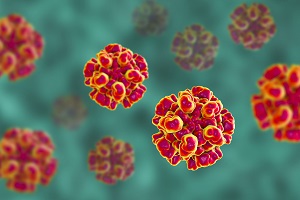
Hepatitis means inflammation of the liver. Hepatitis is often caused by a virus. The most common types of viral hepatitis are hepatitis A, hepatitis B and hepatitis C.
Hepatitis A
Hepatitis A is a liver infection caused by a virus. It can be prevented with a vaccine. The virus is found in the stool and blood of infected people.
Hepatitis A spreads easily. People can get it by swallowing tiny amounts of the virus, often through close contact with someone who is infected or by eating or drinking contaminated food or water.
Symptoms can last up to two months and may include tiredness, nausea, stomach pain, and yellowing of the skin or eyes (jaundice). Most people recover without long-term health problems.
The best way to prevent hepatitis A is to get vaccinated.

Hepatitis B
Hepatitis B is a liver infection caused by a virus. It can be prevented with a vaccine.
Hepatitis B spreads when blood or other body fluids from an infected person enter the body of someone who is not infected. This can happen through sex, sharing needles or other drug equipment, or from a mother to her baby at birth.
Some people do not have symptoms. Others may have tiredness, loss of appetite, stomach pain, nausea, or yellowing of the skin or eyes (jaundice).
For many people, hepatitis B is a short-term illness. But for some, it can become a long-term infection. This can lead to serious health problems like liver damage or liver cancer.
Babies who get hepatitis B are much more likely to develop a long-term infection than adults. About 9 out of 10 infected infants develop chronic hepatitis B, compared to only about 2 to 6 out of 100 adults.
The best way to prevent hepatitis B is to get vaccinated.

Hepatitis C
Hepatitis C is a liver infection caused by a virus.
It spreads through contact with blood from an infected person. Today, most people get hepatitis C by sharing needles or other equipment used to prepare and inject drugs.
For some people, hepatitis C is a short-term illness. But for more than half of those infected, it becomes a long-term infection. This can lead to serious health problems like liver damage or liver cancer.
Many people with long-term hepatitis C do not have symptoms and may not feel sick. When symptoms do appear, they are often a sign of serious liver damage.
There is no vaccine for hepatitis C. The best way to prevent it is to avoid activities that can spread the virus, especially sharing needles.
Getting tested is important because treatment can cure most people with hepatitis C in 8 to 12 weeks.

Hepatitis D
Hepatitis D, also called “delta hepatitis,” is a liver infection caused by a virus.
Hepatitis D only happens in people who already have hepatitis B. It spreads when blood or other body fluids from an infected person enter the body of someone who is not infected.
Hepatitis D can be a short-term illness or become a long-term infection. It can cause severe symptoms and serious health problems, including lifelong liver damage and even death.
People can get hepatitis B and D at the same time, or they can get hepatitis D after already having hepatitis B.
There is no vaccine for hepatitis D. However, getting the hepatitis B vaccine also protects against hepatitis D.

Hepatitis E
Hepatitis E is a liver infection caused by a virus.
The virus is found in the stool of an infected person. It spreads when someone swallows tiny amounts of the virus, often without knowing it.
In many developing countries, people usually get hepatitis E from drinking water that has been contaminated with infected stool. In the United States and other developed countries, people have gotten hepatitis E from eating raw or undercooked pork, deer, wild boar, or shellfish.
Symptoms can include tiredness, low appetite, stomach pain, nausea, and yellowing of the skin or eyes (jaundice). Many people, especially young children, may not have any symptoms.
Most people recover fully without long-term problems. In rare cases, people with weak immune systems can develop a long-term infection.
There is currently no vaccine for hepatitis E available in the United States.